


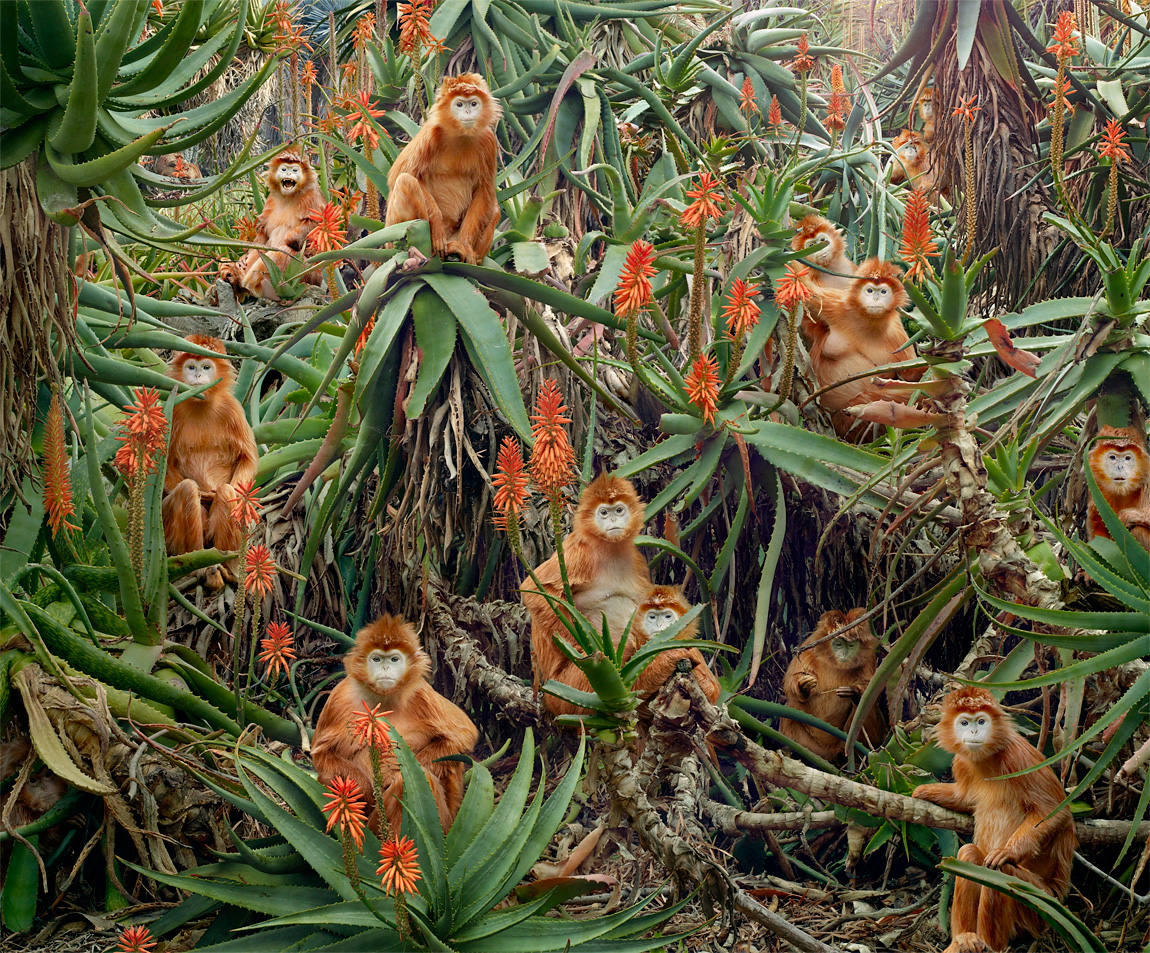
Simen Johan was born in 1973 in the most northern part of Norway, in Kirkenes, on the peninsula jutting into the Barents Sea. Incidentally, the town is one of the places in Scandinavia with an ice hotel. They call it a snowhotel, but, you know, we’re splitting hairs here.
Perhaps growing up in such a remote and, one presumes, dramatic place helped shape his fantastical view of the world. It certainly influenced his sense of nature’s rawness and imperiousness, and the infinite beauty and possibilities of the natural world. In a way, one presumes again, growing up in London or New York or Paris would not have.

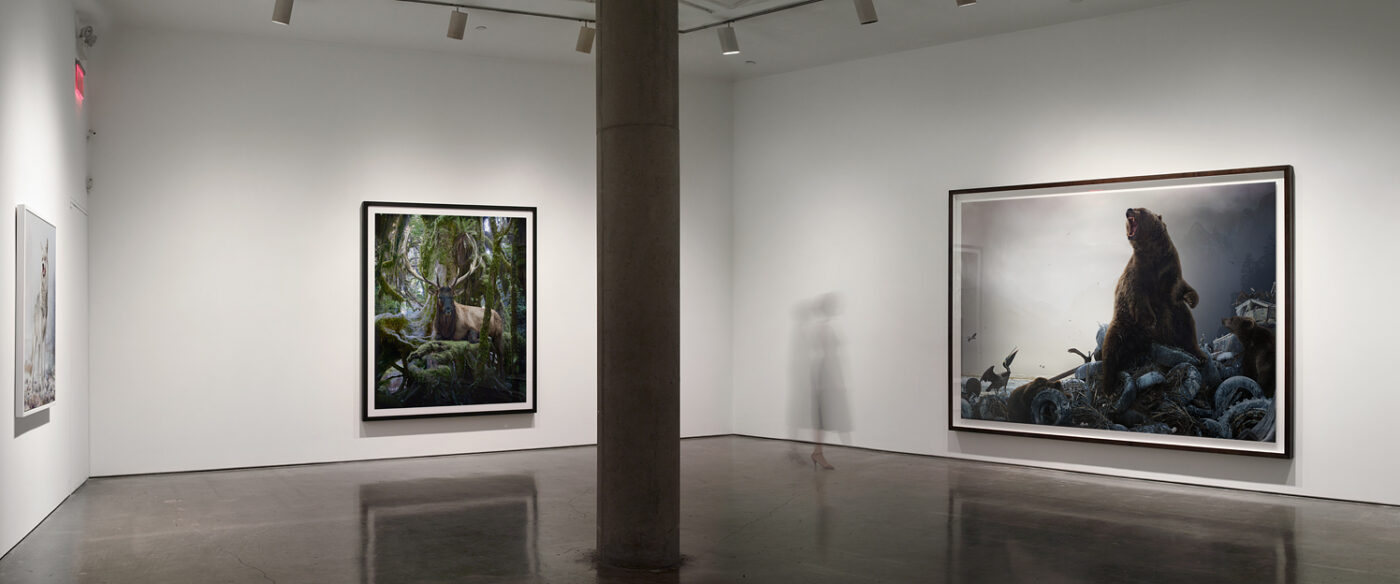
Although it was to New York he very life-changingly went, at the age of 19, in the early ’90s, to attend the School of Visual Arts. Originally interested in filmmaking, which he had been studying in Sweden, he switched to photography, although he says he “continued to have a filmmaker’s mind-set.” He studied under artists like Duane Michals, Gregory Crewdson, and James Casebere, who “shared my interest in the cinematic,” he says.
His extraordinary art — stark photographs layered with digitally manipulated backgrounds — is both impressionistic and cinematic. In describing his work he speaks of “poetic and often unexpected relationships that speak to the illusory and multifaceted nature of existence.” It sounds lofty, but, frankly, it is: It’s high art. He delivers visions that justify the hyperbole.
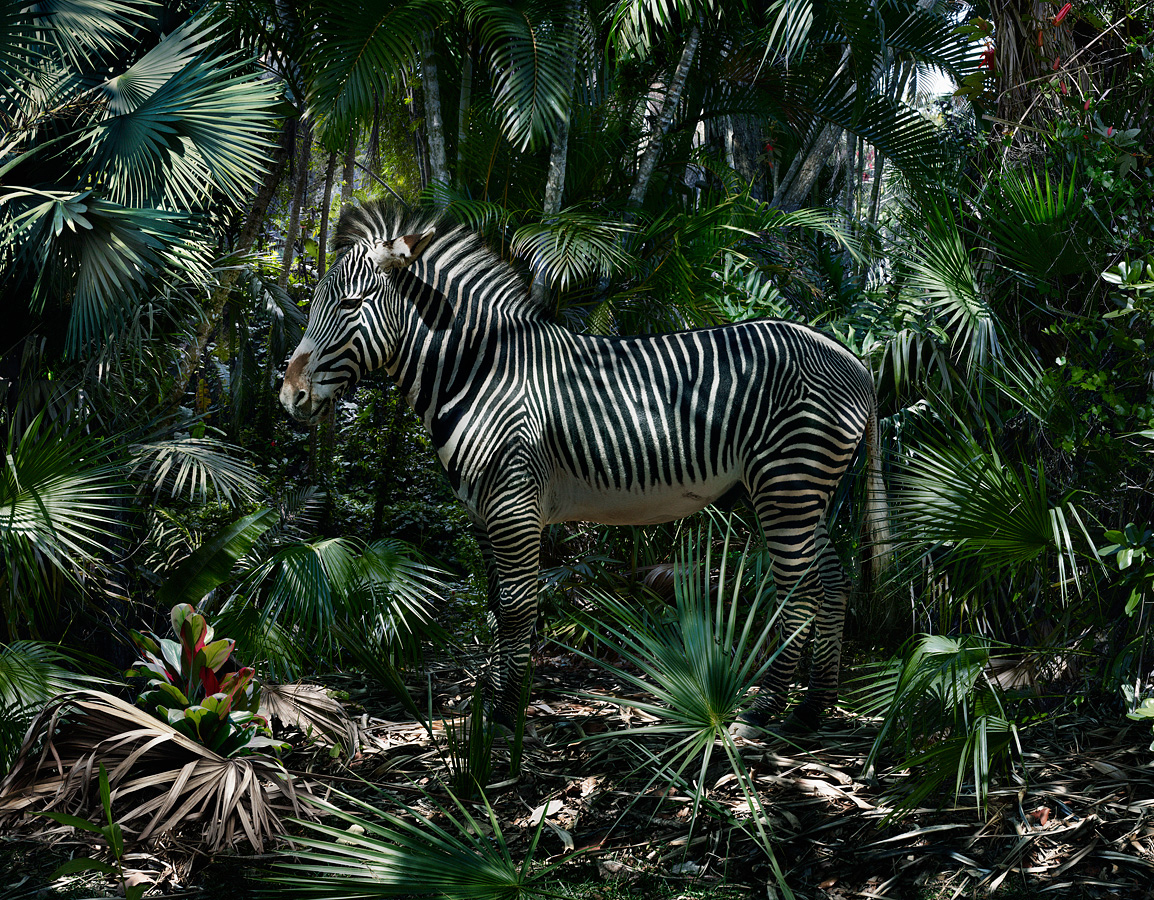

You can see for yourself just how stunning his images are.
Our man’s artwork has been shown worldwide and resides permanently in top-tier museums including the Los Angeles County Museum of Art, the Brooklyn Museum, and Cleveland Art Museum. And, because the bank is good, he’s done advertising work for the likes of Louis Vuitton and Comme des Garcons.
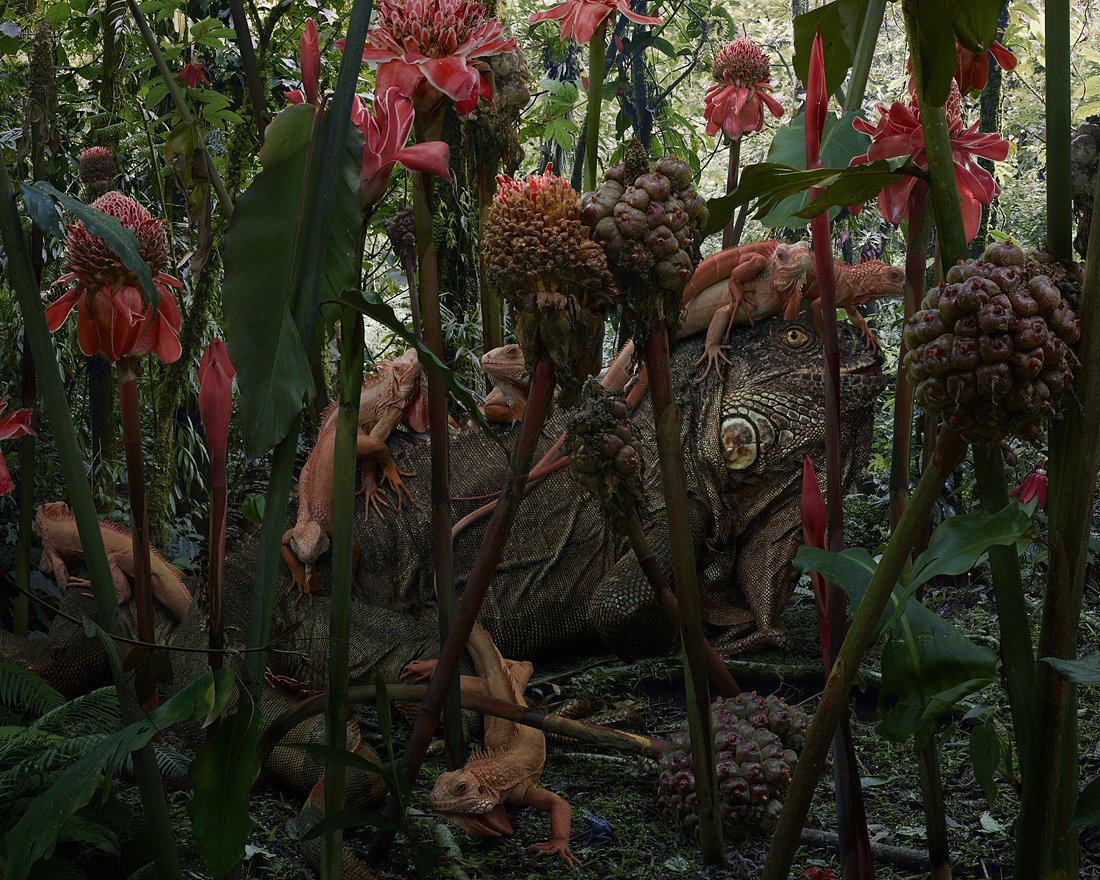

In 2023 he published a phenomenal art book, Simen Johan, with powerHouse Books, a publisher of impeccable taste. And a couple of years ago, he had a much vaunted show at Fotografiska in Tallinn, Estonia, called Until the Kingdom Comes. He explains the title of the exhibition referred “less to the kingdoms of the bible and natural world, and more to the human fantasy that one day, in some way, life will come to a blissful resolution.”
I think we can all get behind that!
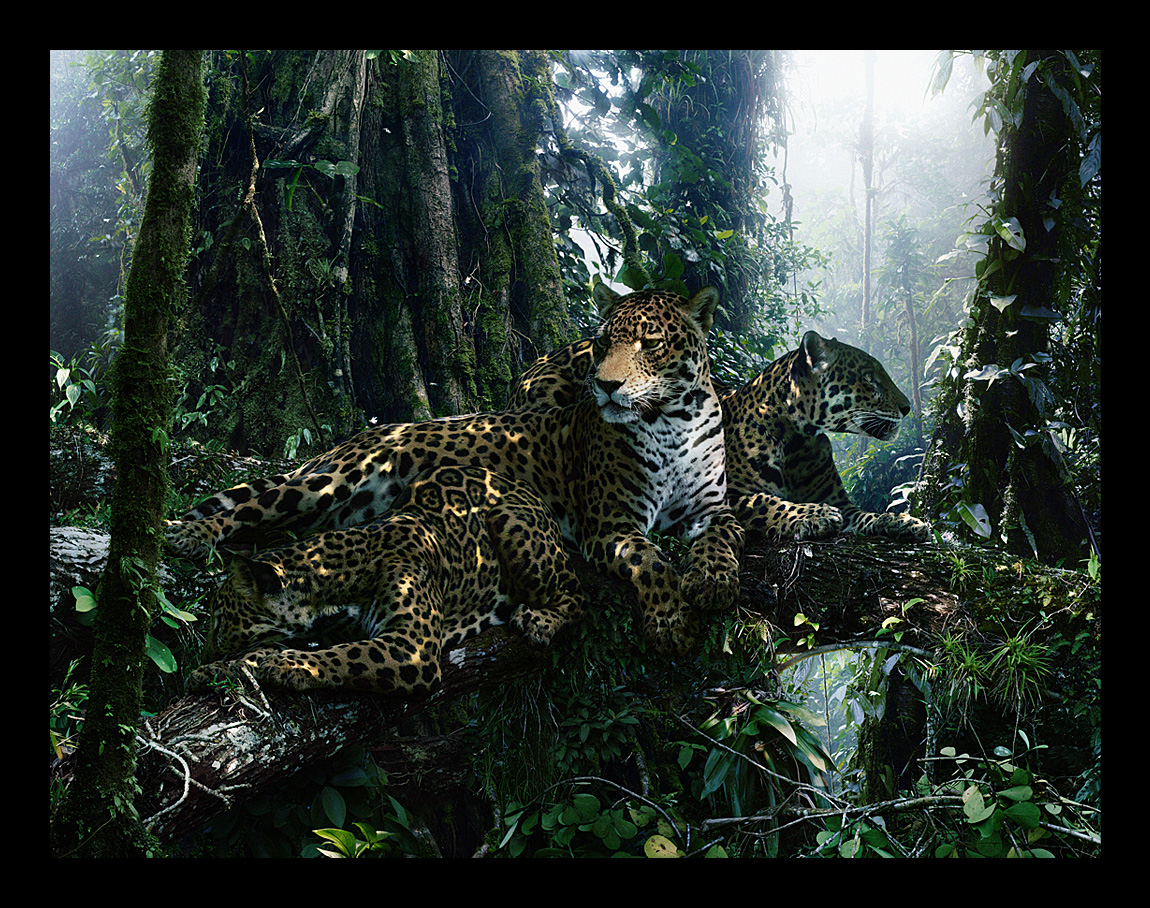

How did you come to create this art, which is so moving?
In film school I realized I needed a more independent and affordable way to create. I was drawn to film for its immersive power, but still images ultimately became the medium that allowed me to work most freely.
I began by staging scenes that I photographed and collaged by hand, using traditional cutting and pasting techniques, and then I discovered Photoshop. This was 1993. Using a very rudimentary version of the program I was able to combine faces and bodies of various people to create new characters that I would insert into equally constructed scenes.
Over the years, my subject matter evolved — from self-portraiture to children, to animals, to nature — but my core intentions remain the same.
In the gaze of an animal, the presence of a tree, or the atmosphere of a landscape, I look for an echo of that core self that sits at the heart of how I experience the world.
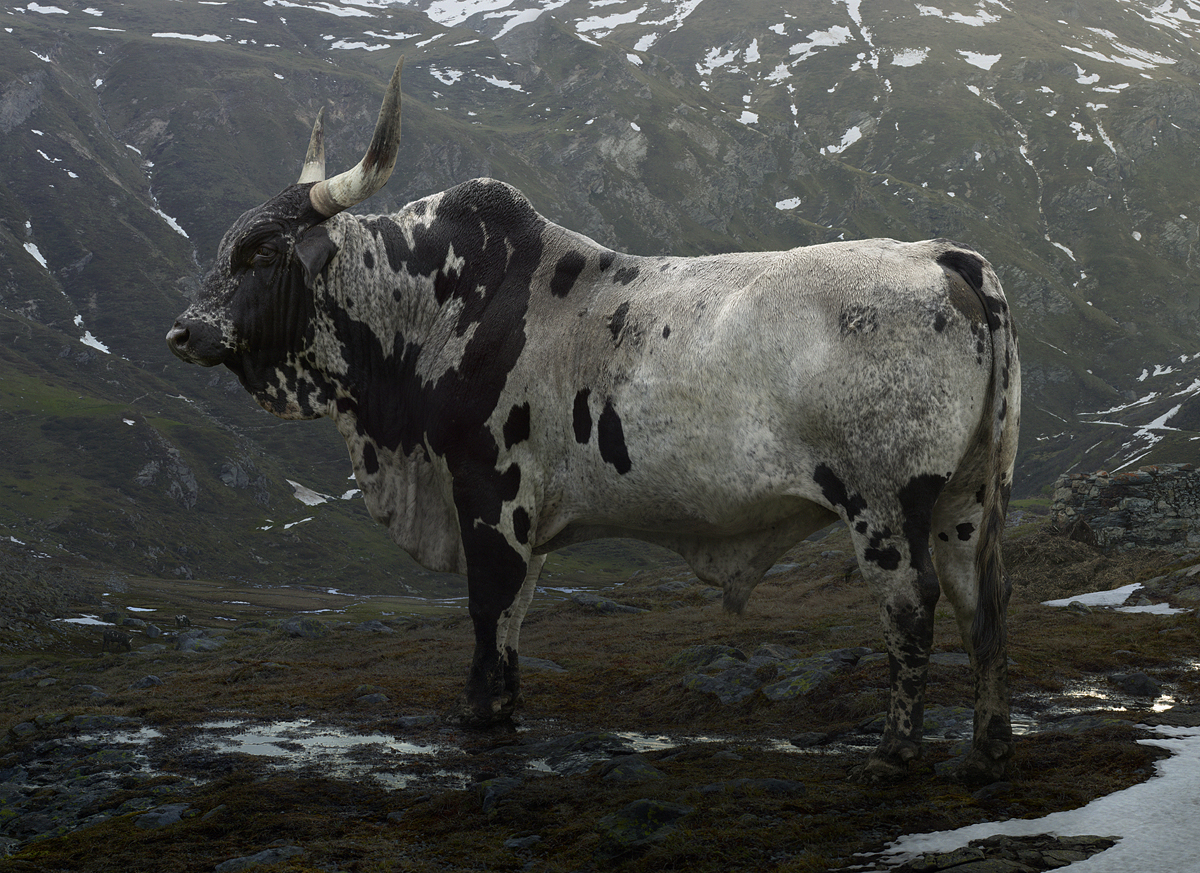

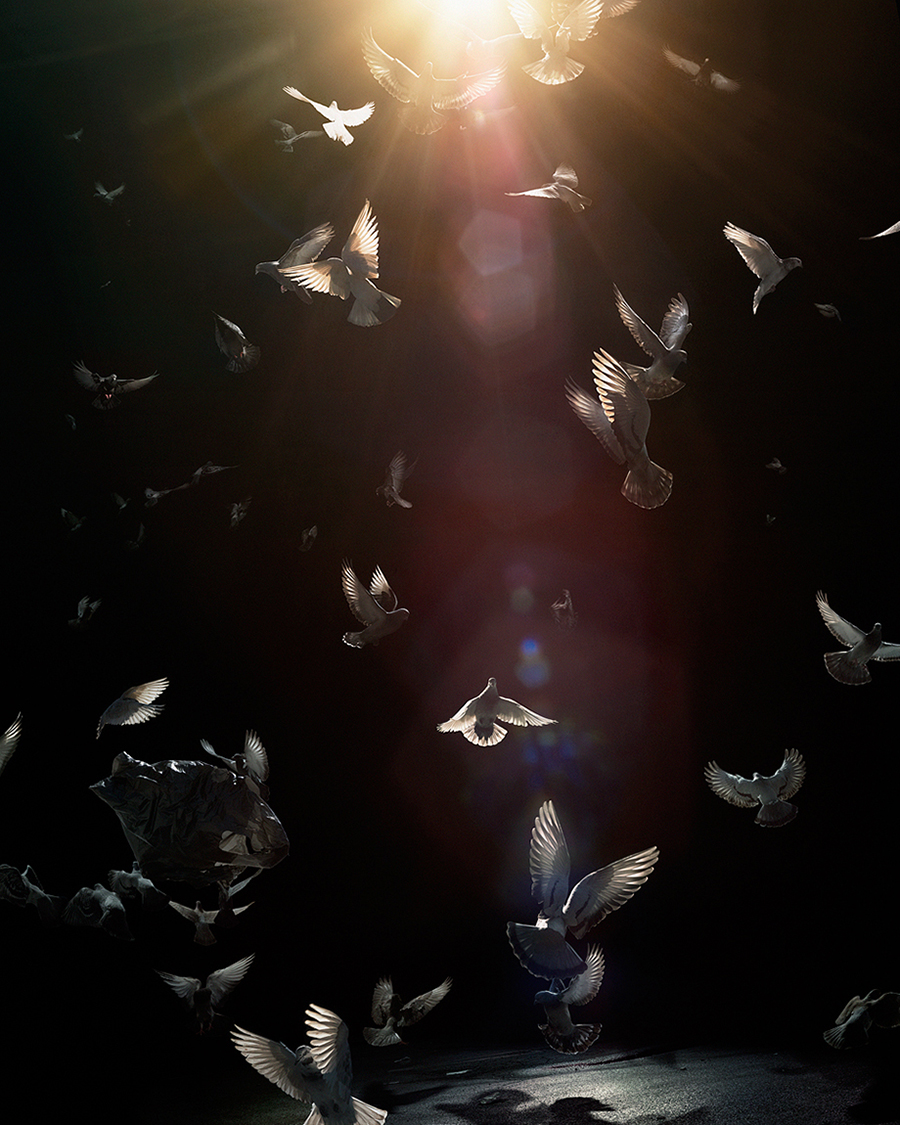

Who inspires you?
Some of my favorite artists are Louise Bourgeois, David Lynch, Isamu Noguchi, Hiroshi Sugimoto, and Bill Traylor, and Judith Scott. I identify with their underlying motivation. I’m also drawn to most forms of indigenous art. I am part Sámi myself, I am generally drawn to work that emerges from a primal place.
My images are based on material I have photographed all over the world, but the core of my process takes place in the studio. I work on multiple compositions simultaneously — adding, subtracting, and re-photographing elements as needed. This way of working allows me to build my images intuitively over time.
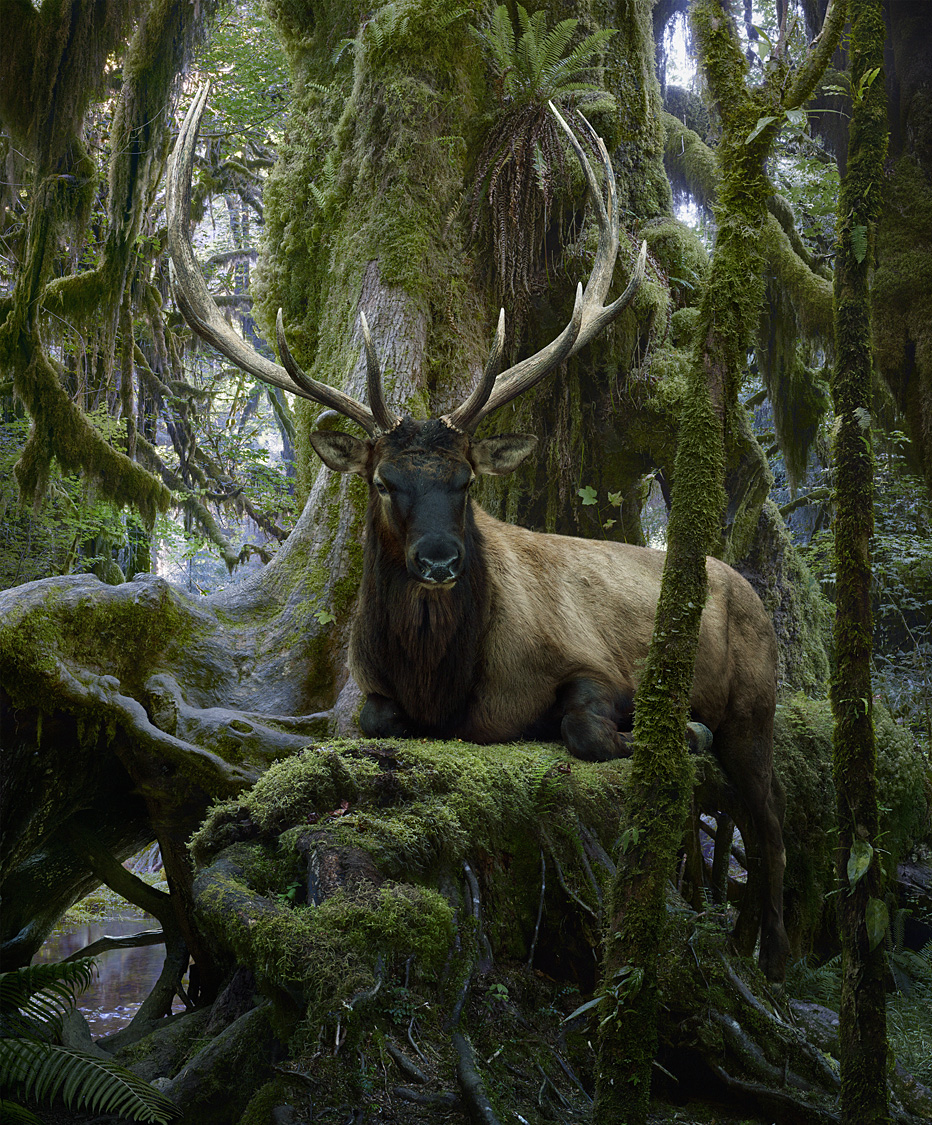

I use medium- and large-format cameras, which allow me to reinforce the illusion of realism and print my images at a near life-size scale.
What do you hope people see and feel from your pictures?
It’s difficult for me to make work if I think about that. My best work emerges when I focus on what feels right to me; when it does, there are usually others who recognize it too.
How did where you grew up influence you?
I was born in Kirkenes, a small town at the northern tip of Norway. We later moved to Sweden. My stepfather’s parents lived in New York City and worked in fashion and film; they became vital influences, showing me that a creative life was possible.
Growing up across vastly different realities, from the primitive to the cosmopolitan, gave me a hybrid sense of cultural identity, which is probably why I feel most at home in New York.
For my work to feel right, it has always needed to be geographically elusive. My tendency to mix locations and seek out contrast likely stems from my mixed upbringing, and a feeling that the particular truth I’m trying to express isn’t singular, but rather complex and layered.