


THE ETHICAL TRAVELER
Nayara’s Bocas Del Toro in Panama is helping coral reefs
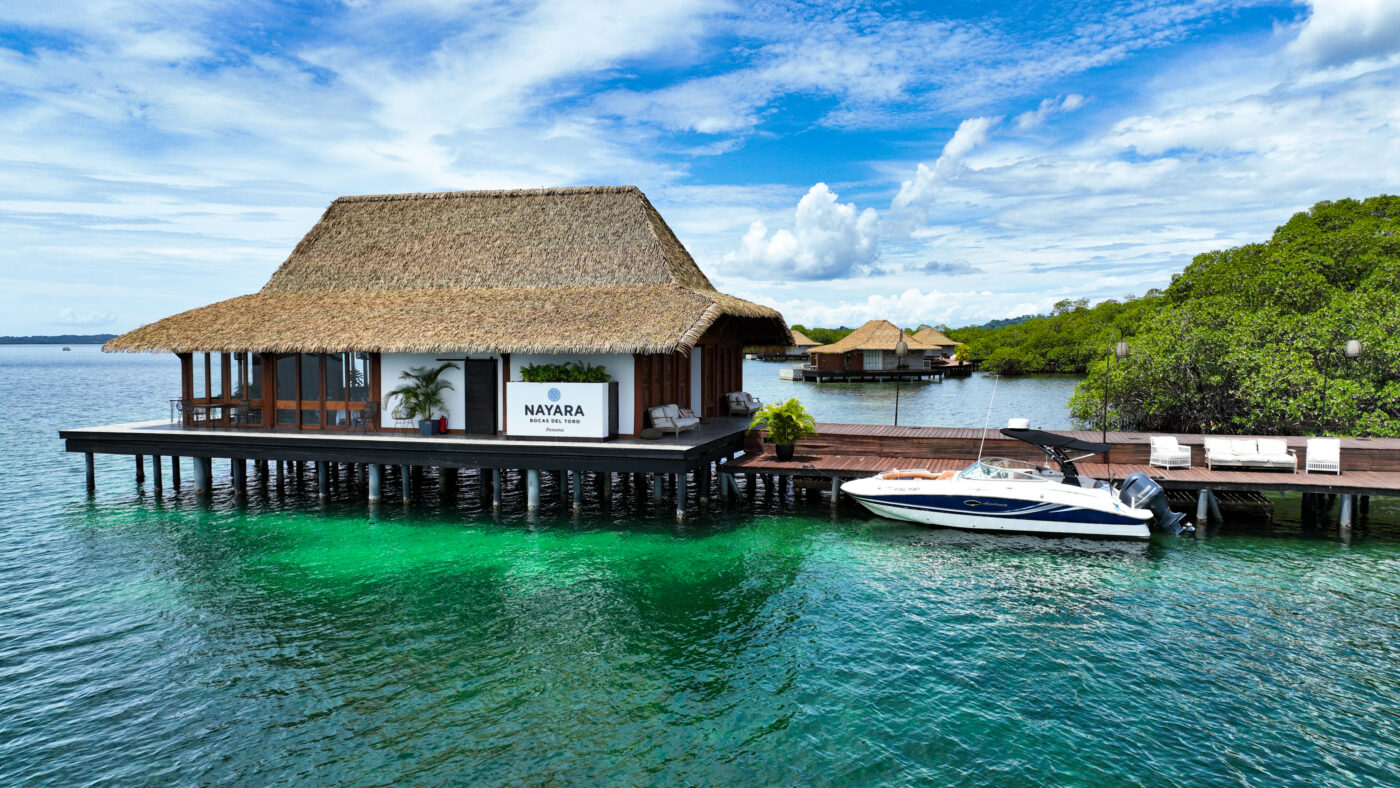
With coral reefs bleaching at a vast rate worldwide because rising ocean temperatures are killing off vital eco-systems, this haven in Panama on the Caribbean coast has found some solutions. And they’re inviting you to help too. Help comes with a luxury villa.
Nestled on the edges of lush green Frangipanni island, is Nayara’s Bocas del Toro. The expanding brand was founded by Colombian-born hotelier and environmentalist Leo Ghitis, with the opening of his 4,500-acre Nayara Reserve in Costa Rica in 2007, which includes the remarkable luxury Nayara Tented Camp. His mission was to redefine eco-luxury travel with experiences that encourage connection with nature. And staying in a rainforest does that.
Nayara opened two other properties in Chile — the stunning Nayara Alto Atacama, in the Atacama Desert, and Nayara Hangaroa on Easter Island.
Nayara Bocas del Toro is the latest addition to their portfolio, part of an archipelago on Panama’s Caribbean coast. It features luxury overwater villas and four distinct treehouses, but with this they’ve gone beyond sustainability and towards regenerative travel.
Having partnered with the Caribbean Coral Restoration Center (CCRC), they intend to rebuild a living reef system throughout the archipelago. The area is home to roughly 87% of every reef-building coral species documented in Panama, perhaps surprisingly one of the world’s most biodiverse countries. The health of the reefs is also the foundation of the local economy, which depends heavily on fishing and tourism. Coral reefs cover less than one percent of the ocean floor but harbor roughly 25% of all marine life. Bleaching events from rising ocean temperatures are now occurring frequently. This happens when the reef is under extreme stress and has expelled the colorful algae living in its tissues. When the temperatures rise, coral kick out their symbiotic algae (zooxanthellae), which supply 90% of their energy and give them their vibrant colors. Without the algae the coral turns stark white and begins to starve, and will eventually die if the thermal stress continues for too long.
Nayara’s partnership with CCRC utilizes specific coral strains proven to withstand warming and more acidic ocean conditions.
The strains are gathered and cloned from local coral specimens that have survived recent severe heatwaves and bleaching events. The CCRC then cultivate the heat-tolerant genotypes at their specialized land water nurseries on Isla Solarte before outplanting them onto artificial reefs near the resort. By seeding these specific coral strains they’ve been able to track biodiversity and biomass increase, and marine life is returning.
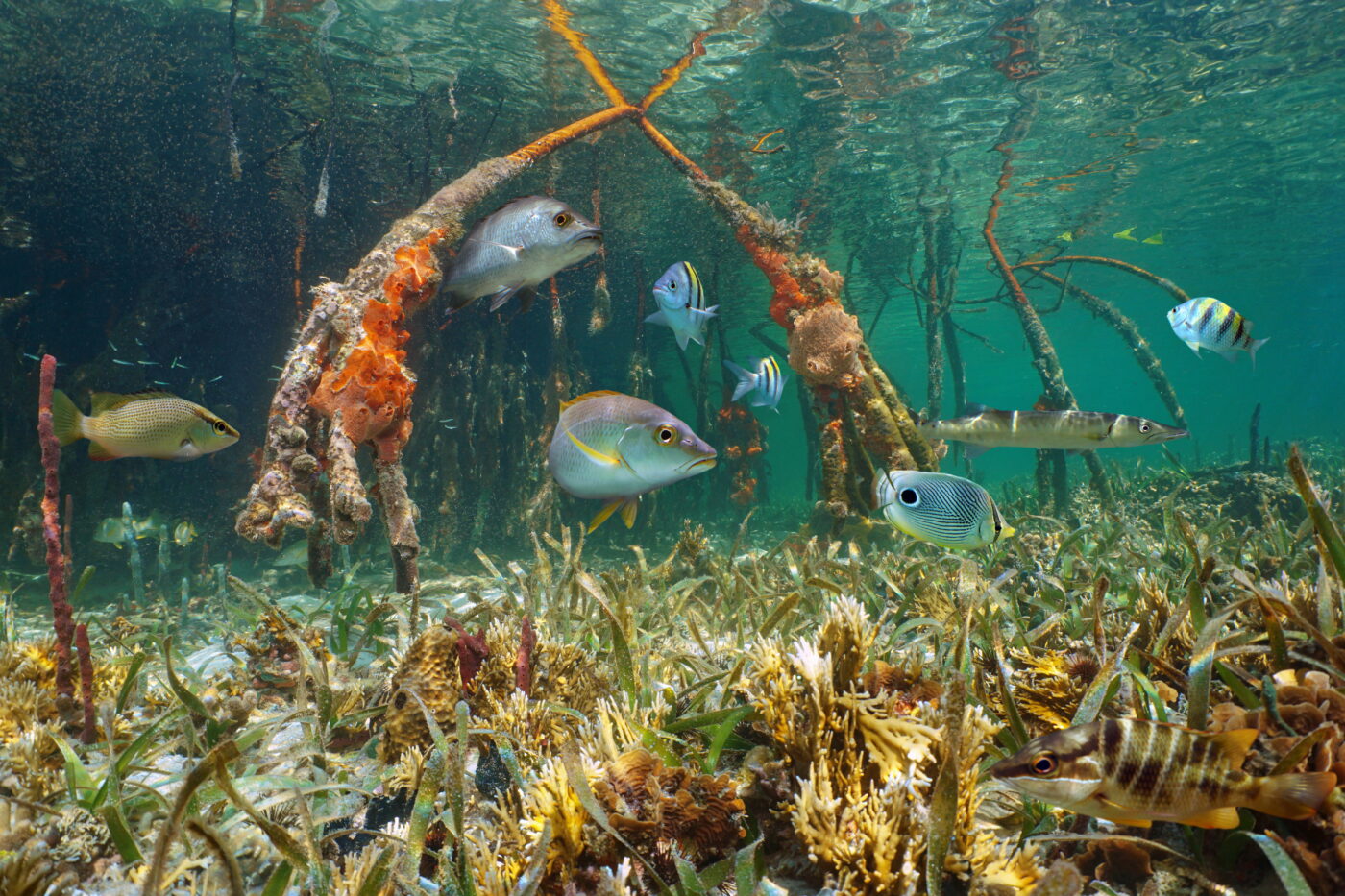
Habitat structures have already been installed beneath Nayara’s overwater villas, attracting small fish and other creatures as the new ecosystem begins to develop. You can see it through some of the villa’s glass paneled flooring.
The second phase of the project is currently underway to establish a full reef just outside the property boundary as part of CCRC’s broader restoration network, which now spans sixteen active habitat zones influencing more than 80,000 square meters across the Bocas del Toro archipelago.
This is where you (can) come in. Guests can make an impact through guided snorkeling and dive experiences that put them at the heart of the restoration process. In the water, guests can actively help install reef structures on the seabed and seed them with resilient, bleaching-tested coral, turning a dive experience into direct, hands-on participation in rebuilding degraded habitats. You don’t get the chance to do that every day, do you?
Across five surveyed zones, CCRC’s biomass monitoring has documented progress with some areas advancing from early-stage recovering reefs toward species-rich ecosystems. The surveys have recorded resident populations of yellowtail snapper, great barracuda, Caribbean spiny lobster, and rainbow parrotfish, as well as the return of apex predators including nurse sharks. Which, in marine bio terms, is encouraging. (Normally one doesn’t look to invite sharks to where you are.)
Guests can also adopt-a-coral, and follow the growth and health of the specific reef structures they helped create, with updates supported by ecosystem data and imagery collected periodically. The tracking allows guests to see how their contribution evolves over time.
Or you could just go and stay at the resort.
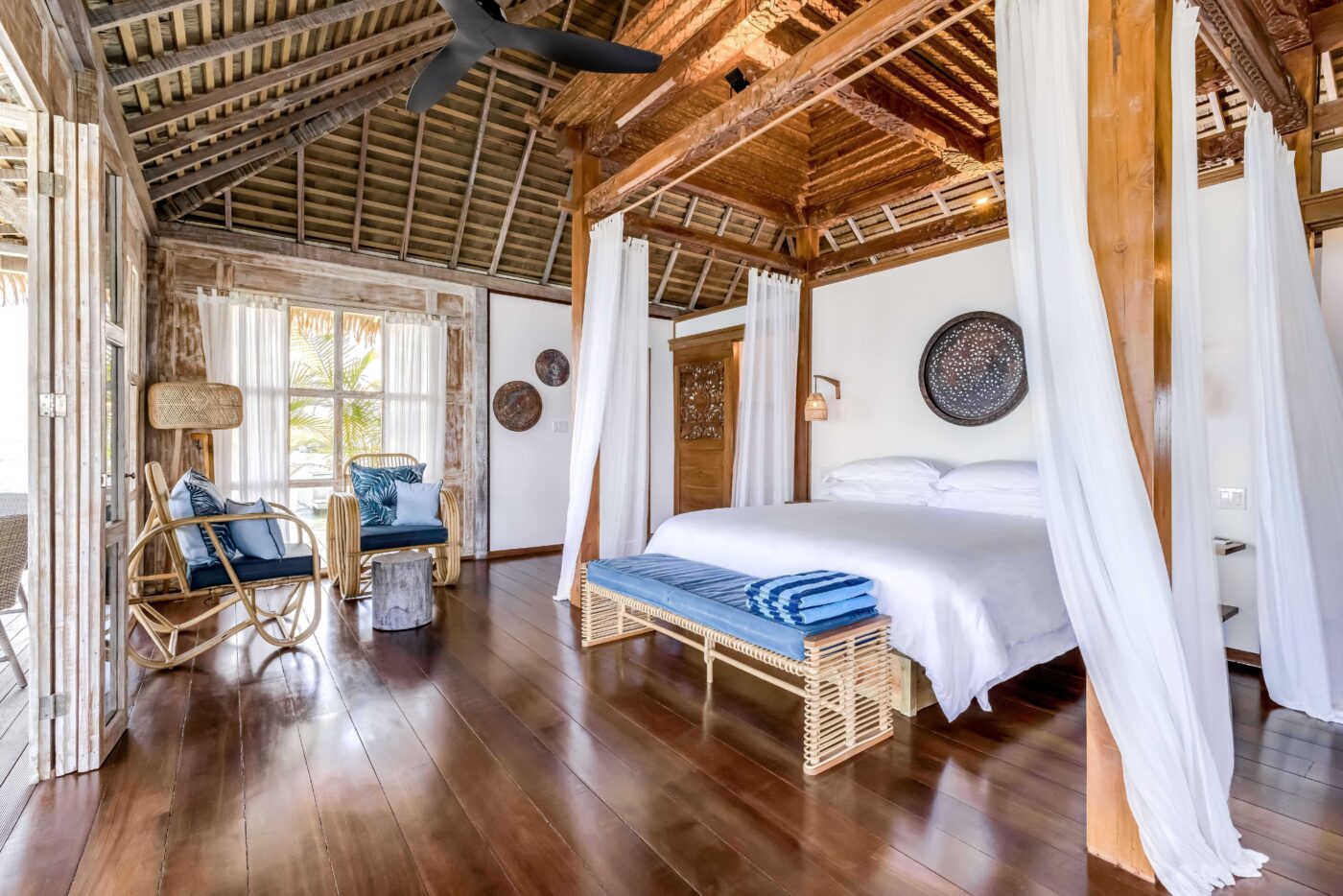
It’s important we don’t forget that option! There are a variety of beautiful overwater villas and treehouses. Some of the villas come with their own private saltwater pool, and glass floor inlays to see the reef below. You can have in-villa chef dinners and a dedicated 24-hour personal concierge… although goodness knows what you’d have them doing in the middle of the night. The place is quite remote.
The bamboo tree houses are set on multi levels that feature king beds. In fact all properties are geared for a couple and are adults only.
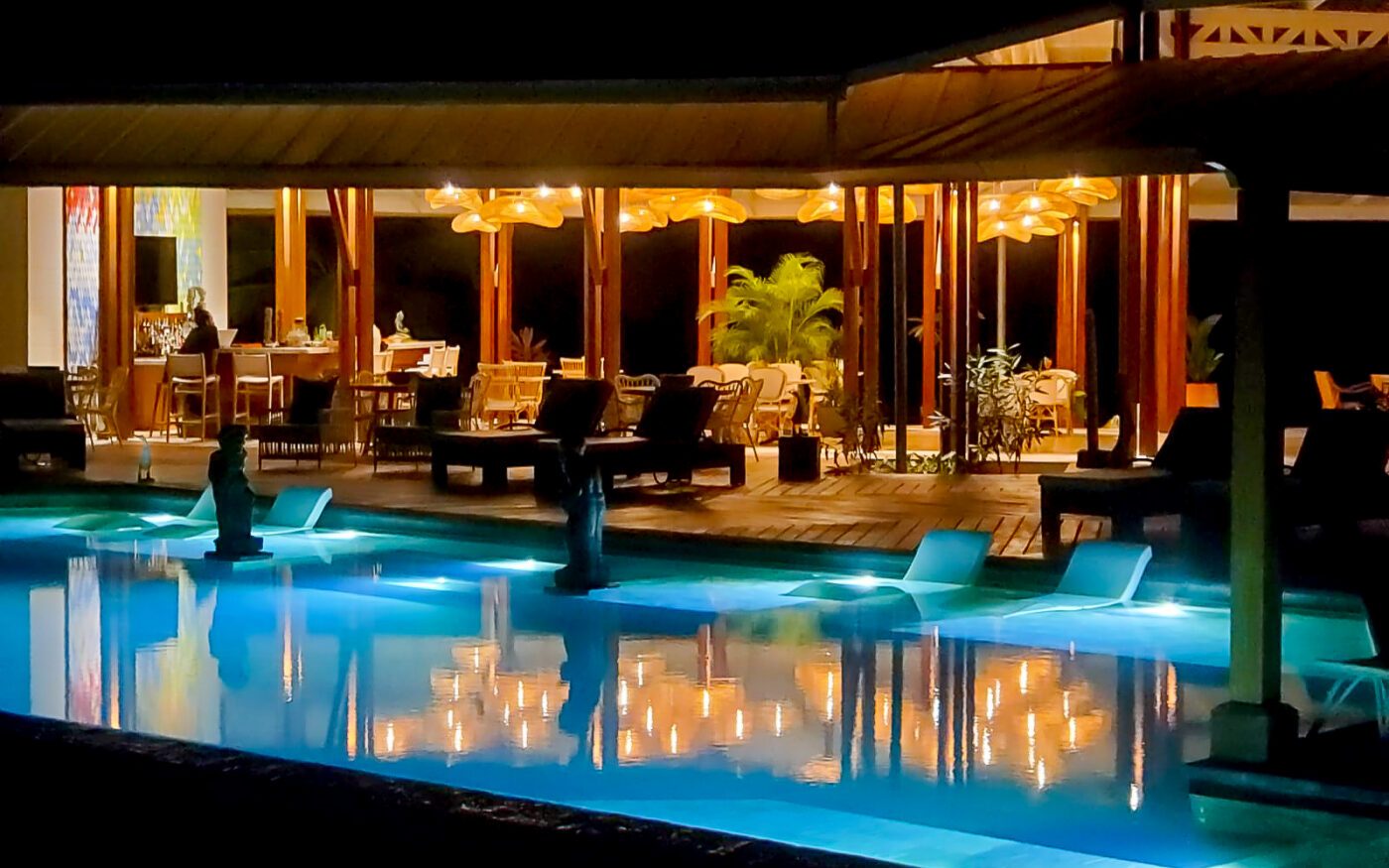
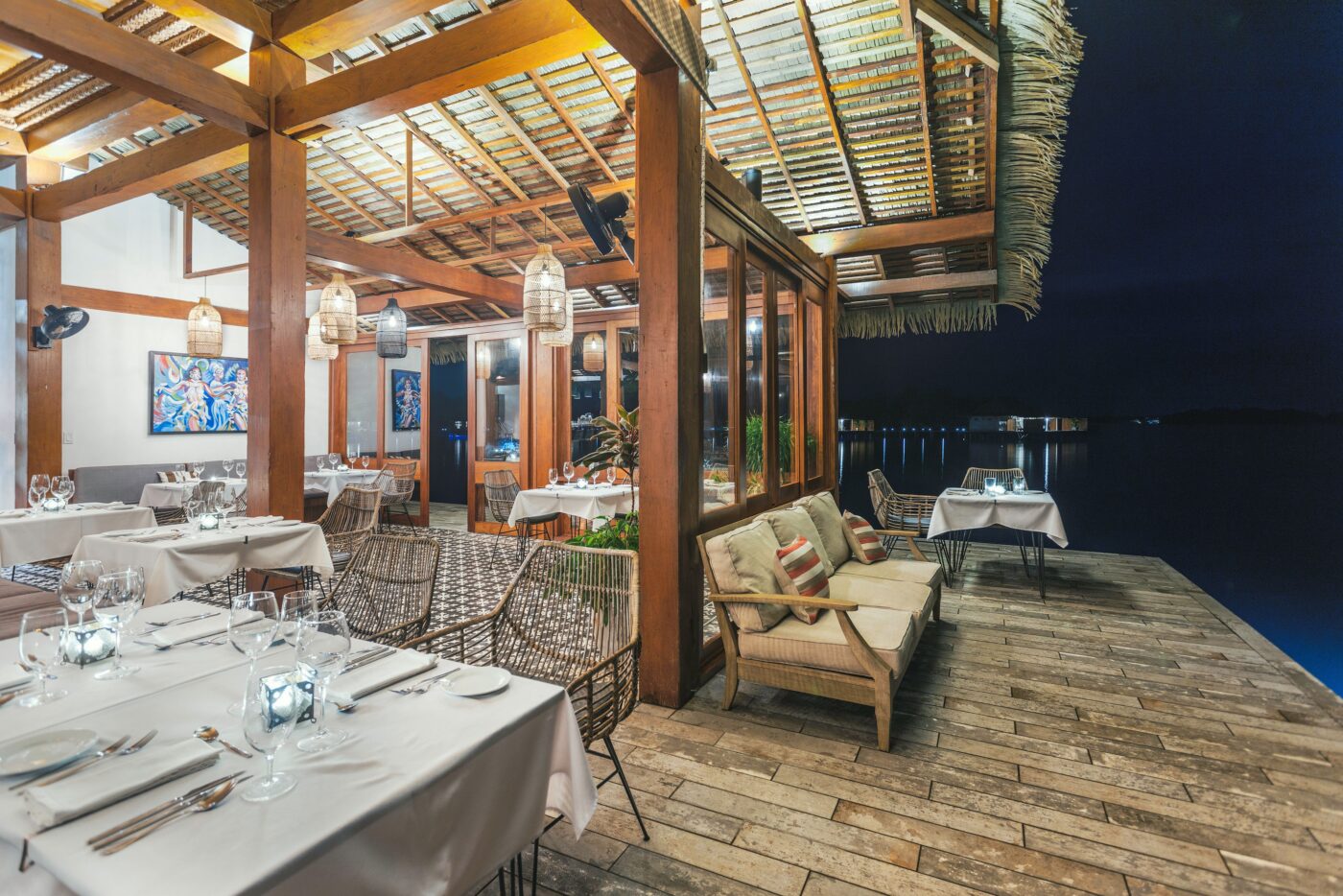
There are two restaurants on the property. Elephant House is a 100-year-old structure shipped from Bali, run by Executive Chef Joseph Archibold, and Coral Cafe serves breakfast, lunch and cocktails until late in the evening. The Frangipanni Spa provides massages, facials, and will wrap you in clay and chocolate. I mean, if you ask. It’s not forced on you.
The coral reef project’s most ambitious phase will expand artificial reef habitat throughout the back bay surrounding six floating villas, transforming the area into a thriving marine ecosystem.
By combining renewable energy, reef restoration, carbon initiatives and verified carbon credits, Nayara aims to create the world’s first Net Nature Positive floating villas – designed not only to minimize their environmental footprint, but to leave the surrounding ocean healthier. Completion of the project is anticipated by the end of 2027, so this is not pie in the sky stuff.
Pack your scuba card. Transfers to and from Panama City.


