


SO YOU WANT TO HIKE THE CAMINO... BUT WHICH CAMINO?
A short guide to help you understand the wide variety of Camino trails
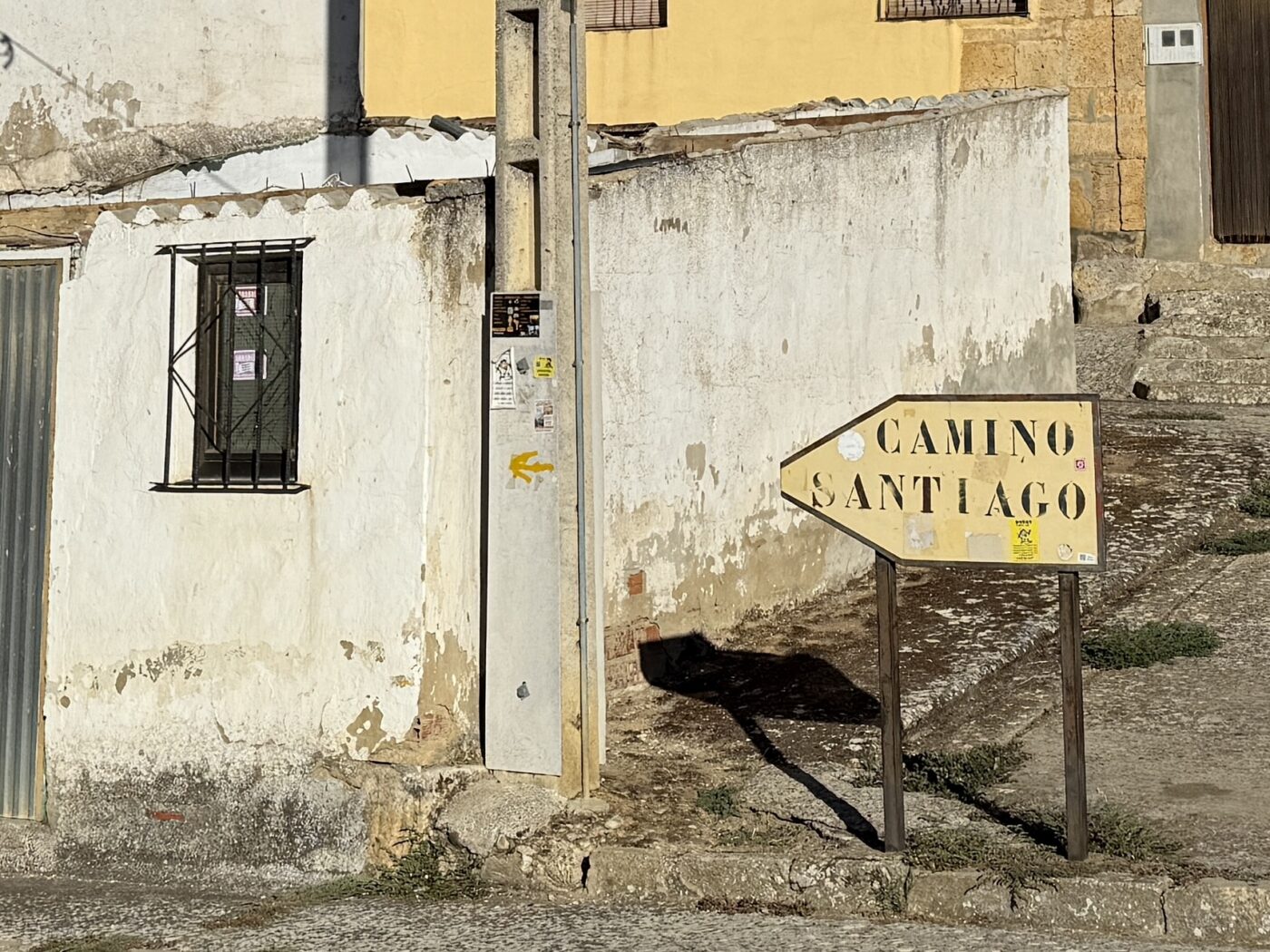
As a tour guide and owner of Whole Journeys, offering small group and independent active trips around the world, I frequently get calls and emails from clients and friends saying they want to “do the Camino.”
I know exactly what they mean — and I also know they probably don’t realize how many options they actually have. Having walked sections of many of these routes with guests, and organized many more, the single most important recommendation I have is this: understand your options. The right route depends entirely on the person, not on what’s most popular. The more you understand the nuances of each route, the better able you are to select which one is best for you.
I first ask “which Camino?”
The Camino de Santiago — the Way of St. James — is not one trail. It’s a network of ancient pilgrimage routes across Europe, all leading to the cathedral of Santiago de Compostela in northwestern Spain. Choosing the right one changes everything about the experience.
Camino Francés (the French Way)
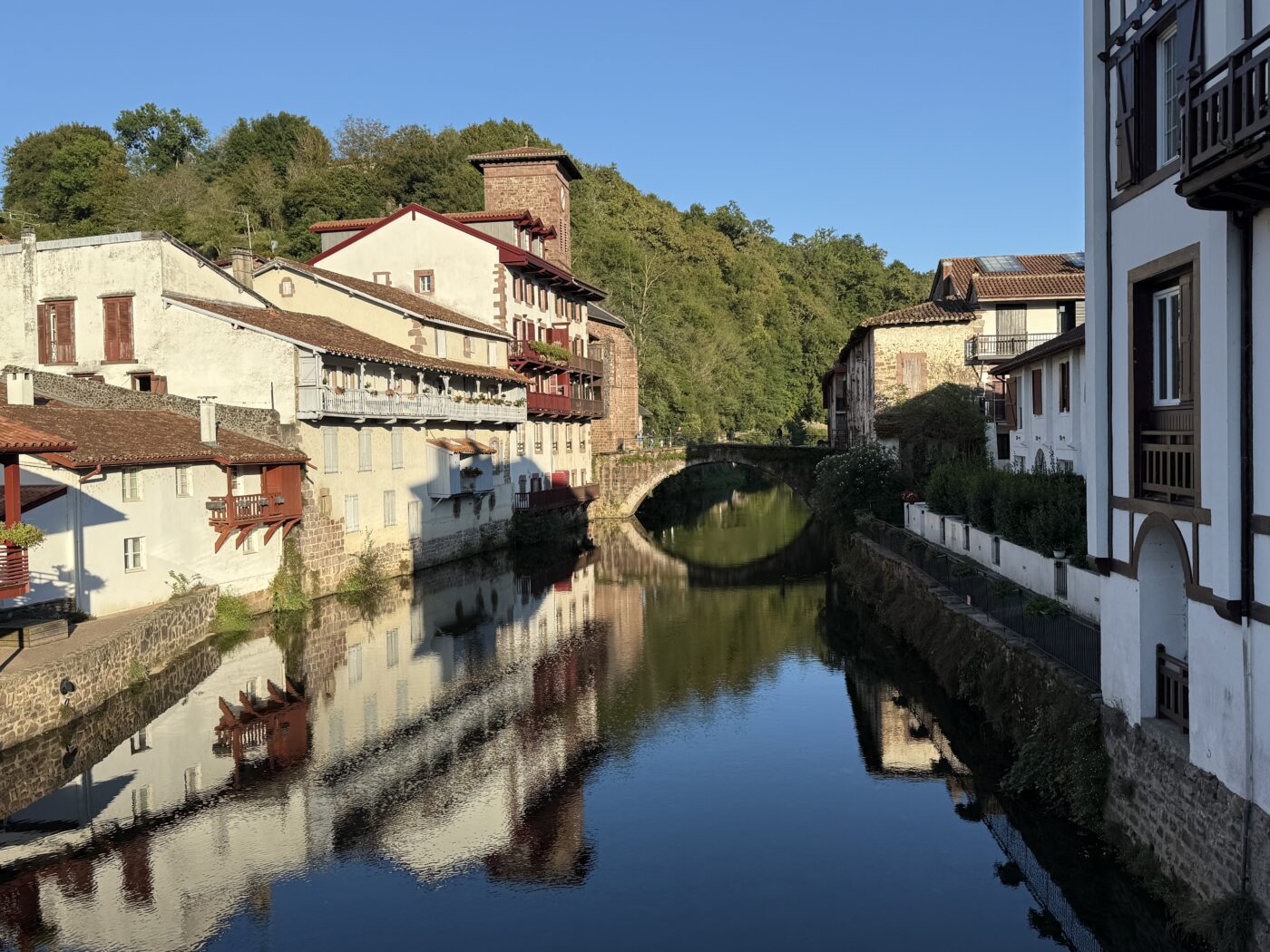
This is the route people picture when they say “the Camino.” It begins in the medieval French village of St. Jean Pied de Port, crosses the Pyrenees into Spain, and stretches approximately 780 km (485 miles) to Santiago de Compostela. It is the most popular route for good reason — it passes through some of the most iconic landscapes and towns in northern Spain: the Pyrenees, Pamplona, the vineyards of La Rioja, Burgos, and León.
To receive the Compostela (the official pilgrim certificate), walkers must complete at least the final 100 km — which means starting from Sarria. I’ll be honest with you: this last section is the most crowded stretch on the entire route, as bus tours drop participants here specifically focused on collecting the certificate. Unless that piece of paper is the goal, I always encourage clients to explore the richer, less-traveled sections of the route instead.
My recommendation: Don’t feel bound to walk the full route or the last 100 km. A well-designed section through the Pyrenees, La Rioja, Meseta, or Galicia offers a far more authentic experience than the Sarria-to-Santiago finishing run.
Camino Portugués (the Portuguese Way)
This has become my most-requested route, and for good reason. Starting from Porto — a far easier and more affordable arrival city than Santiago — walkers follow the ancient pilgrimage road north through Portugal into Galicia. The route has two main options: the Central Route, which follows the historic inland road (villages and culture), and the Coastal Route (Senda Litoral), which hugs the Atlantic coast. I often build itineraries that combine sections of both, and it comes together beautifully in under two weeks inclusive of Santiago de Compostela and Porto, depending on your start point.
Porto itself deserves two or three days before the walk begins — it’s an extraordinary city, and starting a long hike immediately after a transatlantic flight does no one any favors.
Camino del Norte (the Northern Way)
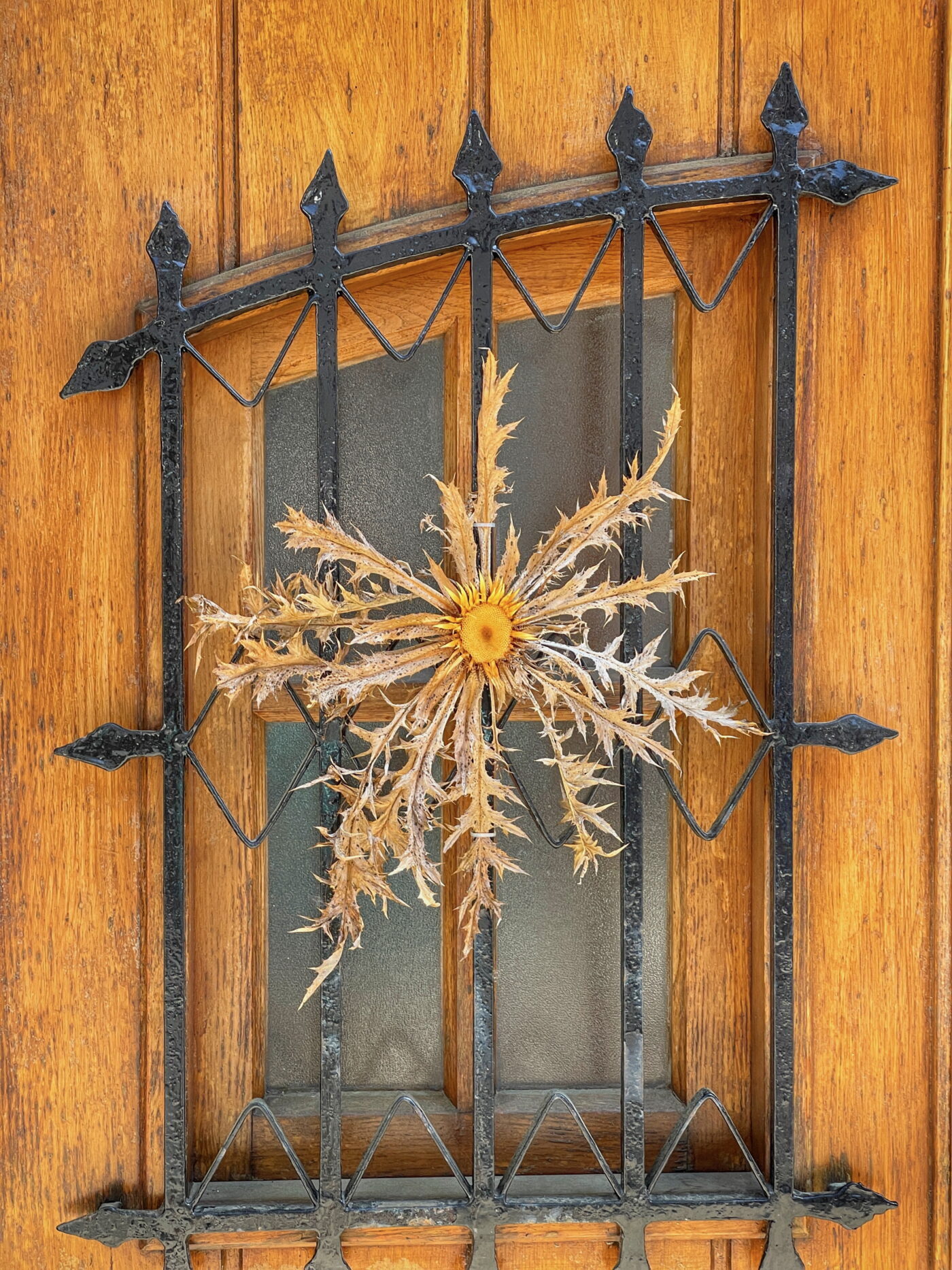
The Norte follows the Basque coast westward from Irún on the French border, tracking the northern coastline of Spain all the way to Galicia — 817 km in total. It is more demanding than the Francés or Portugués, with more elevation gain and fewer services. This is not a first-Camino route. I recommend it to clients who have already walked another route and are ready for something wilder and less traveled. The scenery — crashing coastline, medieval fishing towns, the Basque hills — is spectacular.
Camino Primitivo (the Original Way)
The oldest documented pilgrimage route to Santiago, beginning in Oviedo. It’s rugged, remote, and genuinely challenging — but for experienced hikers, it’s deeply rewarding. Numbers are still relatively light, which means you get the fellowship without the crowds.
Le Chemin du Puy (the French Way from Le Puy)
Beginning in the stunning volcanic village of Le Puy-en-Velay in France, this route has a magic of its own before it even reaches Spain. I did a portion of this a couple of years ago and absolutely loved Le Puy and the first sections I did of this route. They say the first two weeks from Le Puy are the highlights.
BEYOND THE CAMINO — OTHER TREKS WORTH CONSIDERING
Via Francigena
The Via Francigena is a historic pilgrimage route of approximately 2,000 km from Canterbury, England to Rome, passing through France, Switzerland, and Italy. It is the Camino’s older, quieter Italian cousin. The sections that have taken off in recent years — and that I now design for guests — run from Lucca to Rome, threading through Tuscany’s extraordinary landscape of cypress-lined ridges, hilltop towns, and medieval villages before descending into Lazio. These sections are incomparably beautiful and still genuinely uncrowded compared to the Camino. If you love Italy and want something beyond a conventional tour, this could be an option.
Alpe-Adria-Trail
A 750 km long-distance trail spanning 43 stages, starting at the foot of Austria’s Grossglockner — the country’s highest peak — and finishing at the Adriatic coast in Muggia, near Trieste. It passes through Carinthia, Slovenia, and Friuli-Venezia Giulia in Italy. The trail was designed for pleasure hikers, with manageable daily distances, excellent waymarking, and consistently good accommodation. It’s the “three countries” angle that tends to attract guests, and the Slovenian stages through the Soča Valley in particular are among the most beautiful hiking days I’ve had anywhere in Europe. Tour operators increasingly offer a week-long loop format through this region.
Coast to Coast (England)
Conceived by the legendary Alfred Wainwright, the Coast to Coast crosses 192 miles of northern England from St. Bees on the Irish Sea to Robin Hood’s Bay on the North Sea — passing through three National Parks: the Lake District, the Yorkshire Dales, and the North York Moors. Most walkers complete it in 14 to 16 days. The scenery is extraordinary and quintessentially English: fell walking (hiking across open moorland and mountain terrain, often pathless or slightly pathed), stone-walled valleys, market towns, and moorland. It’s a walk that surprises people — they expect a less dramatic England and get something truly epic.
Rota Vicentina — Fishermen’s Trail (Southwest Portugal)
A stunning coastal walk along Portugal’s wild southwest coast. The Fishermen’s Trail ( where you will still see Portuguese Fishermen precariously dropping their long fishing lines into the ocean) section follows dramatic cliffs and Atlantic beaches through a largely untouched stretch of coastline. Shorter and more accessible than the Camino, it pairs beautifully with a few days in Lisbon — whether as a pre-trip arrival city or a post-walk reward before flying home.
What is nice about this hike is you can do portions starting in Porto Covo, or the reverse from the South starting in Sagres or Lagos (accessed from Faro).
Lycian Way (Turkey)
A marked long-distance trail along the Turkish Mediterranean coast through ancient Lycian ruins and remote fishing villages. Still relatively undiscovered by Western hikers and full of extraordinary history.
WHAT YOU NEED TO KNOW BEFORE GOING
Book Accommodations, at least some, in advance.
Especially on busier Caminos and during high season, there are locations where it is extremely difficult to get accommodations. If starting in St. Jean Pied de Port, I suggest booking your first 3 nights (or at least the first two) well in advance as there are very limited properties and many hikers beginning at the same point. As the trail progresses there are more options. There are always conflicts between wanting to focus on the walk vs finding a bed, and flexibility of walking as much or little as you prefer. That can be a personal choice if you are doing the route self-guided in entirety, but if you are using luggage transfers and doing sections or highlights, you’ll most likely want to know where your room is at the end of a long day. Ideally it is close to the trail!
Luggage transfers
On the Camino de Santiago routes, luggage transfer services (generally 15-20kg max) are reliable and easy to arrange depending on the complexity of your route. Bags are moved between accommodations each morning and dropped at your evening accommodation around 5pm, so hikers walk with just a daypack.
There is also the possibility of sending a larger bag to the end of the hike for those adding on the Camino to a longer trip. Most hikers find that the smaller the bag the better.
On many other long-distance routes — including the Alpe-Adria and Via Francigena — similar services exist, though they require more advance planning.
Zero days (rest days)
A “zero day” is trail talk for a day without walking — and they are not optional extras, they are essential planning. I build at least one into every five to seven days of hiking. The key is placing them well: in a town worth exploring, or at a property guests will genuinely enjoy spending a full day at. A zero day is also the right time to schedule experiences — a pintxos crawl in Pamplona, a private winery visit in La Rioja or Tuscany, a food tour.
Don’t schedule experiences on heavy hiking days.
Adding a guide
Even if you choose a self-guided itinerary, I suggest — if possible — having a guide join you for a day or two to introduce you to the history, culture, and suggested foods of the region, while also walking you through the GPS routes and camino signs (which vary considerably between routes). For first-time long-distance hikers in particular, a guided day early in the trip builds the confidence and orientation that sets you up for everything that follows.
Flights and arrival logistics
Think carefully about entry and exit cities. For the Camino Francés, flying into Bilbao gives clients a superb two-day pre-trip destination before transferring to St. Jean Pied de Port. For the Portuguese Camino, Porto is almost always the better arrival airport — more frequent connections, lower fares, and a far more rewarding city than Santiago de Compostela for a pre-walk stay. Flying out of Santiago is fine, though I often route clients back through Porto post-walk for the same reasons.
Pre- and post-trip time
Build in at least two nights before the first walking day. Every time. Guests who arrive jet-lagged and start hiking the next morning regret it. The best pilgrimage experiences begin slowly, with time to settle into the rhythm of the place before putting boots on trail.
A final word: The question isn’t “should I do the Camino?” It’s “which route, which sections, and what kind of experience do I want?” I’ve walked parts of all of these routes and have designed dozens of itineraries across them. The answer is always specific to the person.
Let’s find the right one for you!
For more information, check out: https://wholejourneys.com/
And to contact Kathy directly: kathy.dragon@wholejourneys.com


