


GIVE PEACE A CHANCE
It may sound counter-intuitive, but Mejdi’s tours to some of the most troubled spots on the planet are the most fun you could ever have
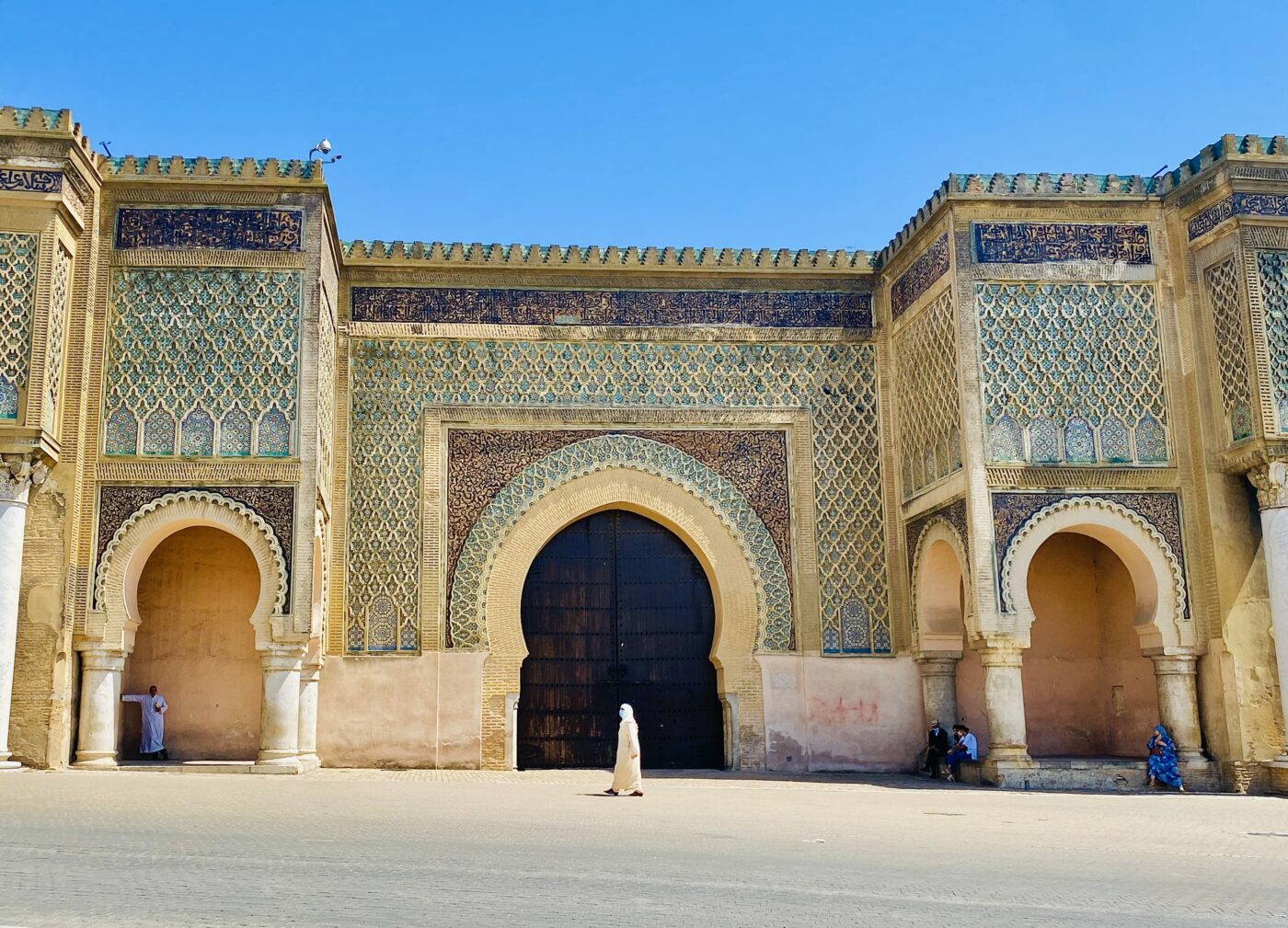
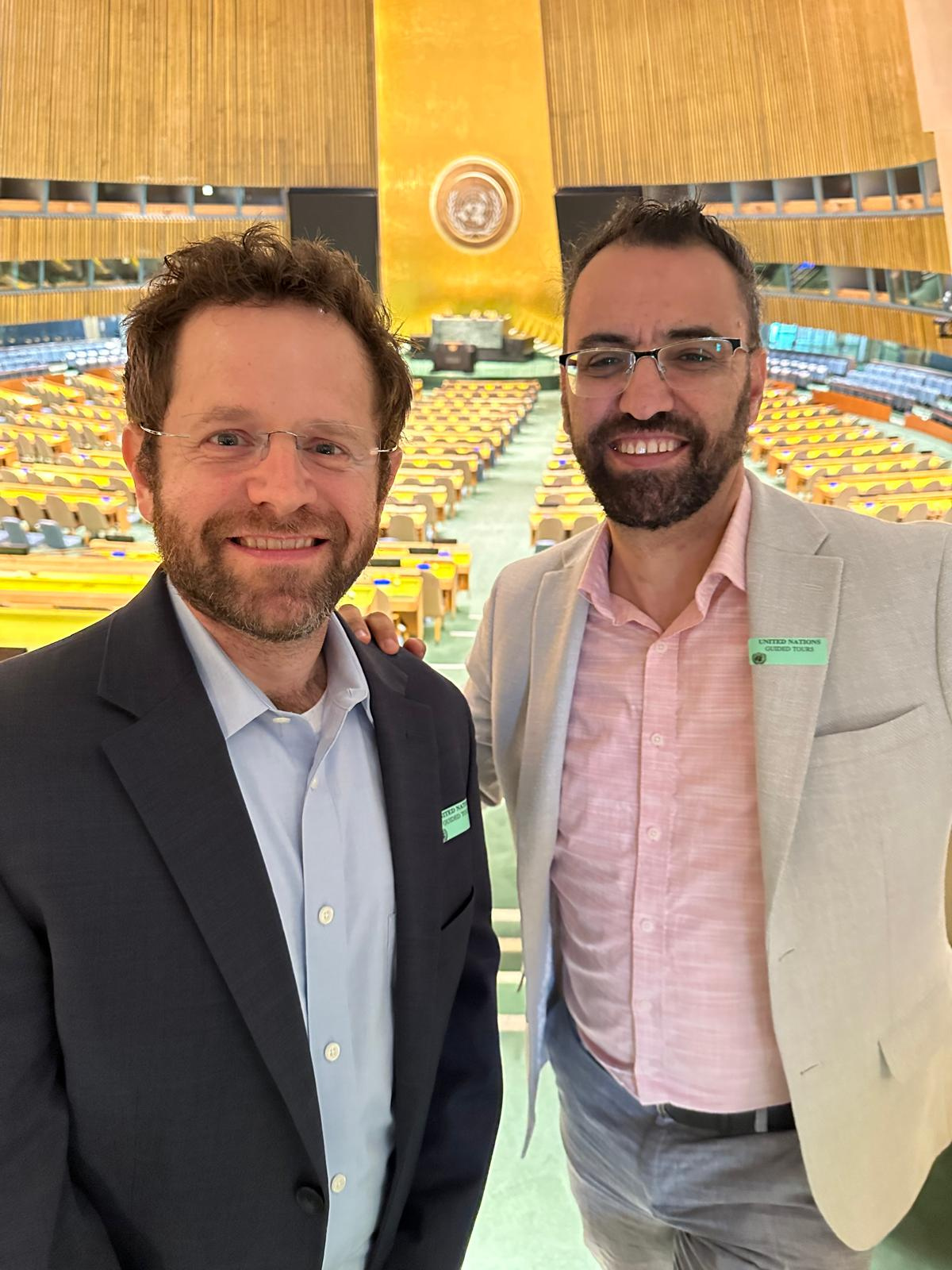
Aziz Abu Sarah, a Palestinian who was born in Jerusalem, and Scott Cooper, who is Jewish and born in America, started Mejdi Tours, one of the most unique travel operators in the world, in 2009. Mejdi does not take you on wine tours of Tuscany, they take you to areas of great, often historic conflict, like Palestine and Israel (although not since the October 7th war, for obvious reasons), the Balkans and Colombia. And they blow their travelers’ minds by tearing away ingrained perceptions and revealing the vibrant humanity and desire to coexist in these strife torn places.
“A country is more than its sights,” says Aziz.
They recently began a closer to home tour of Washington DC. Their “The American Dual Narrative Series: Blue/Red Divide in The Nation’s Capital” trip, as they call it, demonstrates how we shouldn’t be too quick to throw stones. It’s their most difficult tour to sell.
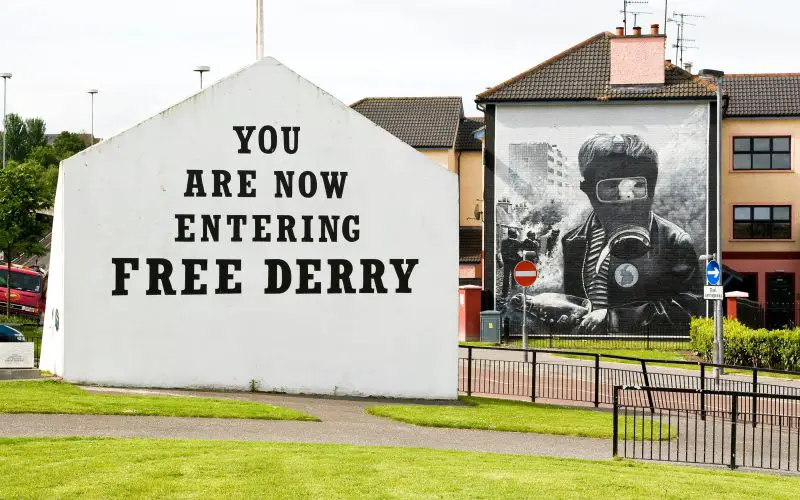
Mejdi, which Aziz and Scott thought of while working together in academia on conflict resolution, brings together people who were previously at each other’s throats, often literally. Their tour of Northern Ireland is guided by a former IRA fighter and a former British soldier. And this isn’t Kumbaya — it’s honest, frank discussion between two sides who, despite their erstwhile convictions, want to find a middle ground of acceptance and compromise. They want to find peace.
This isn’t war tourism, a perverse desire by people who travel to war zones to spectate awful tragedy. (“We’re not interested in taking people to take photos of others suffering,” says Aziz.) And it’s certainly not about the horror — just the opposite, it’s about the hope and joy of people solving their problems and striving to get along, to emerge from the pits of conflict.
Mejdi tours are not trips where you get the perfunctory history lesson (although you will get that too, but from people who lived and prevailed through that history), they are culturally and socially immersive. Scott and Aziz stress their trips are fun, FYI, it’s just that they’re so profoundly more interesting and experiential than conventional tours.
But let’s let them tell us themselves!
How did you start and what made you think taking people into conflict areas was a good idea?
Aziz: Mejdi is an Arabic word that means honor, glory, respect, and that’s based in our branding. Both Scott and I worked in conflict resolution before we started Mejdi, in very hot conflict zones, much hotter than the ones we ended up taking people to. Scott and I were working in Afghanistan around that time. We did Afghanistan, we did Syria. We worked around Iran.
Peacebuilding is an industry in academia and in nonprofits. We wanted to bring peace work into every aspect of life. Into travel, into business in general, into education. It needs to be part of every element of our life. It’s a way of life.
When we started Mejdi, we said, “Let’s look at how people travel, and let’s see if we can bring our own expertise and add some of those elements into our travel.”
We still do sightseeing, all the fun things, but we added more content, more culture, more conflict resolution, more peace building. In the beginning, honestly, we thought, “You still have the fun, and we add these things.” What shocked us is that, for the vast majority of our travelers, this became the highlight of the trip. This was a fun part for them, meeting locals and learning about how people come together, different groups you think are enemies, and what is the culture around there.
That became the most interesting part of the trip. Meeting a Shia Imam in Uzbekistan, or meeting Israeli and Palestinian tour guides working together, or meeting an Irish former IRA member and a British negotiator or soldier who hated each other before and now are partners and working together, that became what people want to travel with us for.
The peace building aspect became the cool part, became what they really liked about what we do.
Slowly, we realized every place has so many narratives, and that we can take the work we’re doing to literally any country. We operate in places like Egypt and Morocco. Egypt is not a hot conflict zone, at least I don’t think that’s how many people describe it. Yet so much of the travel going to places like Egypt is focused on Egyptology. I realized that the greatest thing about Egypt, honestly, is not Egyptology. As beautiful as it is and as important, and we visit many of those temples, and the pyramids, and Abu Simbel, and Luxor, and Aswan, but if you grew up in an Arab culture, Egyptians are known for their generosity, for their humor, for the culture, for so much more than Egyptology.
We created a program where we can bring a little bit of that so you understand what does it mean to be an Egyptian when you are on a tour in Egypt.
What is conflict resolution work?
Scott: There are paths crossed, but getting there was different. In my mid-20s, I had not traveled internationally and ended up going to the Middle East for my first trip. Seeing a war zone firsthand really shook me. Being ignorant really helped me, because my thought was, “Oh, this is terrible. Who’s working on trying to fix it.” Relatively quickly, I found people like Aziz, who were local peace builders working across divides.
Aziz lost his brother when he was 10 years old, and a peace-building partner of ours, Maoz, lost his parents. These two guys are sitting there working on solving this conflict. All I’d seen on the news was tanks and bombs, and “this place is dangerous, and no one’s ever going to solve it for hundreds or thousands of years.”
I found people who already were able to fix it, if we just listened to them. That changed me. I decided to stop the work I was doing at that time, in a bank, and studied conflict resolution at George Mason University.
I met Aziz through a mutual friend. We hit it off. We basically took on the conflict resolution center as two co-executive directors with one common thread: neither one of us were paid. We helped professors bring students to conflict zones.
Eventually, we came up with this idea for Mejdi and wanted to do that all over the world. We thought anybody might find this interesting. It was really necessary to get this outside of the small circles of peace building and conflict resolution, because we knew it was interesting. We knew it was fun.
How do you resolve serious conflict?
Aziz: The first time we went to Kabul, to Afghanistan, we had a whole idea of what we wanted to do there. It was about building a network of civil society, religious, political leaders from all different groups within the country, and to basically work on countering the message [of the] Taliban.
Quickly we realized many going there were saying: “Here’s how you can solve your conflicts.” In our first week in Kabul, Scott and I were talking to people and they said, “No one asks us about how we would solve it. What we need is support in using our own knowledge, not bringing knowledge from outside.”
We used an elicitive approach of conflict resolution. Instead of bringing your own ideas, you learn about what works.
What we found in Afghanistan, for example, hierarchy, especially among religious people, is very important. You don’t come and debate what’s written in the text. You need to have a good authority as well. You need people respected to come and talk about it. We had to say, “Who are the people around the whole Muslim world who everybody in Afghanistan would be willing to listen to?” It changed our whole project by doing that. We ended up doing the same literally everywhere we went.
The first aspect of managing and eventually solving a conflict is listening. Listening and learning. It doesn’t matter how much of an expert you are. When you go to a new place, you have to shut up and listen to what people tell you, understand the local culture, understand the nuances in that place. Without it, it’s going to be a failure.
Scott: Part of what Aziz is saying is which networks we’re trying to connect. That’s why we thought travel was interesting. We could start connecting travelers with people doing the most interesting and cutting-edge work on the ground.
Aziz: Tourism ended up becoming our peacebuilding.
I remember bringing a Jewish community from Chicago, where Scott is, as a synagogue trip to Israel. Those trips happen quite a lot. Now, they usually don’t go to the West Bank. They usually don’t meet with Palestinians.
This rabbi said, “I want to spend two nights in Palestinian homes in a refugee camp in the West Bank.” Even I was a little like, “I need to check if I can do that” [laughs].
I went and found the families and told them, and they said, “Yes, absolutely.” We ended up splitting this group from Chicago with a few families in a refugee camp, Dheisheh, in the Bethlehem area. For two nights, they stayed there. When we came to pick them up, people were literally crying, both the Jewish community, the travelers, and the locals, because they fell in love with each other. Nobody cared that you’re Muslim, you’re a Jew.
It happened because you bring people together, they get to realize that we’re not that different. Also, where we didn’t expect that to happen is with tour guides. Our tour guides, they’re not extremists, obviously. They didn’t really know each other. Even the ones who considered themselves peace activists didn’t know as much as they thought they did. The relationships that were built are incredible.
Everywhere we work, the relationships that are being built, the love, the respect, and that closeness between tour guides is just something you cannot even anticipate.
But this isn’t war tourism, is it?
Aziz: No. We don’t believe in disaster tourism or war tourism. After October 7th, there were a lot of people who were like, “Take us to where Hamas came and killed people in Israel. We want to see.” We said, “We’re not interested in that.”
There are places we go to where we ask people, “Can you please put your cameras away on this tour?” We always work with locals wherever we go and make sure they’re comfortable. If they’re not, we won’t go.
You need to have those connections with locals, otherwise, both the travelers and the locals will have a terrible experience. It’s much better when the locals want you to be there.
What was your first trip and how did it go?
Aziz: It was in Israel and Palestine. In 2010. I was a co-guide on it. It went really well considering it was our first trip.
What are some of the conflict areas that you haven’t been to but want to go to?
Aziz: We’re looking especially at West Africa as a region to look at history, yes of slavery but also current conflicts around the region.
I’m really looking forward to restarting work in Syria, mainly because both of us worked on the peace and conflict there, so we have hundreds of friends. The moment we’re ready to go there would be incredible.
Iraq is another place that we worked in and had to stop after ISIS took over.
We’d like to go to more places that are not classic conflict locations that I think would be important. Kenya, for example. Kenya is not known as a conflict zone. People go there for safari. I see us doing East Africa tours where Kenya becomes one of the main countries we visit because the wildlife is unbelievable there. There are so many stories, so much culture diversity, so many different tribes, so many incredible things happening in Kenya that are often not part of the travel programs.
I think there’s no place without conflict. Conflict in itself isn’t bad. If we don’t have conflicts, we don’t grow, we don’t become more patient, we don’t appreciate. Pope Francis, said, a place that doesn’t have conflict means there’s oppression and there is authoritarianism.
Where’s the most peaceful place?
Aziz: Where’s the most peaceful place? Wow. I don’t know. That’s the hardest. Nobody has ever asked me that, so it’s a very hard question. You know what? Maybe I do. I think the most peaceful place I’ve been to is Oman.
Oman is such a unique place. I’ve not seen anybody yelling in Oman at anybody. People are so welcoming. I’ve gone hiking with men, women. People were dressed in their swimsuits. There were young guys jumping into the water, and not one of them harassed anyone with us for what they were wearing or anything like that. It feels so peaceful, sometimes so peaceful that you have to be aware people just take life so slow there. There’s no urgency about anything. It feels 100% safe.
I’ve camped in the desert there. In the south of Oman, we have a relationship with one of the tribes. One of the things we do there, we spend an evening with the tribe in there. They still live in the desert.
It’s lots of food and lots of music and lots of storytelling. It’s not the touristy experience because they don’t actually sell this for tourists. The only reason we go there is one of our experts and friends is an archaeologist. It gave us an in to a tribe that we would never otherwise have.
We try to bring people into the travel industry that don’t usually benefit from the travel industry. This tribe, now we’re able to go and have a dinner with them and pay for that dinner. Maybe later they’ll start doing it for other tour companies as well.
It’s fascinating, and eye-opening, that your Washington, DC. tour is so problematic for you. Why?
Aziz: It is problematic. Let me tell you, it is an amazing trip. I’ve been on it more than once. Even for me, who lived in DC for 15 years, I learned so much. Our neighborhoods in DC — even those who live in Washington don’t go to. Places like Anacostia, a historic Black neighborhood.
First, it’s a beautiful neighborhood, but two, it does have important landmarks to go and visit, like the Frederick Douglass House and Museum. We started taking people there. Then we ended up meeting with different communities that live in the area, met with one of the local churches there, stuff like that.
For the liberals, it was very hard when we took them to meet with Heritage Foundation. That was not something they expected. I think it’s an important conversation. You need to know how people who are different than you think.
The more interesting and really surprising one, I took a group to the NRA museum, and we asked the NRA to give us a tour. They have this museum with thousands of guns, but not new guns. Most of them are historic and old, the gun Abraham Lincoln used to have, stuff like that. It was fascinating. For the liberals in the group, it was hard to be there. Then for conservatives to go to a place like Anacostia and talk to the communities. And talk to HUD, somebody who’s working on affordable housing, and talking to somebody about how do you make sure DC is still safe for the LGBTQ community.
The last trip I was on, we had a Black guy who was a Republican and a Jewish guy who was a Democrat co-lead the trip. It ended up being a really great conversation. At the Lincoln Memorial, the Republican claimed Lincoln and said, we’re the ones who ended slavery. It wasn’t the Democrats. It ended up being this really amazing conversation. I think the talk between the two tour guides was by far the highlight.
We have to really work hard to convince Americans this is a trip every American needs to be on.
You talked about Israeli rabbis spending time with Palestinians and crying at the end because they had found the common ground and the humanity between them. In America, we don’t have that at the moment. It’s dangerous here. It’s so volatile.
Aziz: I moved to South Carolina five years ago, obviously a red state. One of the things surprised me is how easy it was for me to connect to my very conservative neighbor. I bought this house during COVID. When I arrived the grass was tall and we didn’t have time to yet take care of everything. My next door neighbor, who’s very self-proclaimed conservative, came and cut our grass and took care of our yard and everything. We’d never met him.
When we arrived, he just showed up, brought us some food. He’s like, I took care of your yard because the HOA usually are not nice when you don’t take care of your yard. I was like, wow, this is incredible. We need to get back to that kind of relationship. We might disagree on politics, on big things, but it doesn’t mean we’ll be at each other.
I think our Democrat-Republican trip is one way to do that. The other trip we run that I find really powerful is going back into history and talking about civil rights and our story as a country and how we dealt when the country was in a place that there was so much hate and oppression of our own people.
In the civil rights movement it wasn’t Black people fighting injustice, it was American people. It was Blacks, Whites, Jews, Arabs, everybody came together and said, we need to stop what’s happening.
That’s our way out of where we are today — we need to realize it’s not about conservatives and liberals, not about Blacks and Whites. It needs to be us coming together with one identity and saying we as American people, and that includes somebody like me who’s an immigrant, let’s put our differences aside and saying, how do we preserve this country as a place that is really a country for all its citizens?


