


INSIDER TRAVEL REPORT
United Airlines CEO Scott Kirby on a proposed merger with American Airlines, and why fares are likely to stay up
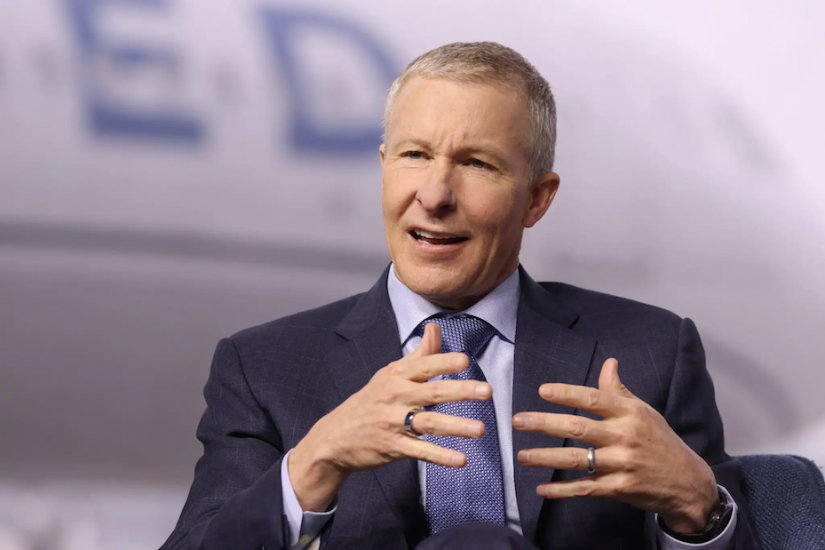
With the Iran war choking the supply lines for oil and throwing the world into chaos, gas prices into an upward spiral and airline costs higher than they fly, Scott Kirby has been in the news a lot lately. He proposed his airline merge with American Airlines, announced flight cutbacks due to high fuel costs, and discussed raising fares up to 20 percent — a level he says might be permanent.
But until now, Kirby hasn’t laid out his thoughts all in one place.
“Over the last two weeks, there’s been a lot of commentary about a potential merger between United Airlines and American Airlines,” Kirby said (not mentioning the fact that he was largely the source of such commentary). “And to be direct, here’s what happened: I approached American about exploring a combination because I thought we could do something incredible for customers together.
“I always knew that the only way any merger could be successful (and approved) is if it was great for customers and with a willing partner that shared my big, bold vision,” he says. “I was confident that this combination, which would have been about adding and not subtracting, creating a truly great airline that customers love, could get regulatory approval. I was hoping to pitch that story to American, but they declined to engage and instead responded by publicly closing the door. And without a willing partner, something this big simply can’t get done.”
Kirby says in the past, mergers usually have been about two struggling airlines coming together to cut costs, flights and headcount.
“My aspirations could not be more different. What I wanted to pursue was about growth that would usher in a brand new era of leadership by U.S. aviation. After all, flight was born here and the storied names of the past, including both United and American, set the standards that the rest of the world aspired to. By combining our airlines and using that scale to revolutionize our customers’ experience, we’d create a new, thriving U.S. airline that would be the very best in the world for customers – full stop.”
Now really getting going, he continues: “It’s clear the strategy United has been implementing is winning: building a brand-loyal airline by de-commoditizing travel, investing in the customer experience and creating value for every customer no matter where they are sitting.”
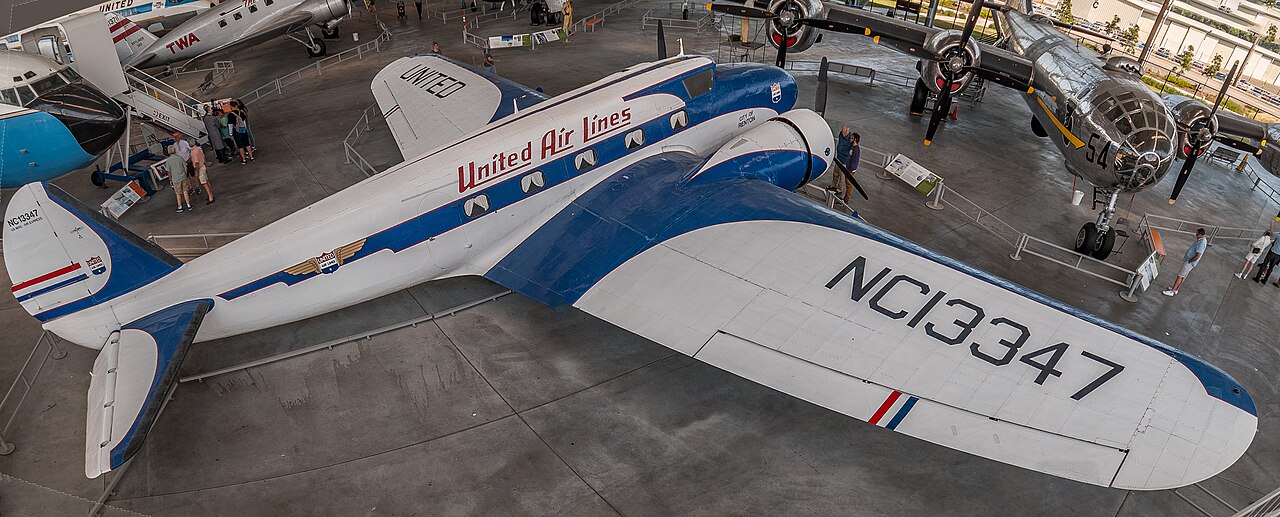
Kirby said that, in the simplest terms, combining United and American could grow that customer-focused approach — which, let’s face it, has been, er, missing for a while — plus unlock incredible, new opportunities for both airlines’ customers, employees and the communities they serve, and create an airline with the scale to compete and lead around the globe. One of the benefits would include going to even more places.
He feels United already has the best service, technology, reliability, and products, so that flying on his airline feels better than other airlines.
Price and affordability are important, but unless people think air travel is just a commodity, “value” matters, too. The truth is that in 2025 ticket prices were 29 percent cheaper than they were pre-pandemic (adjusted for inflation). A merger of United and American (and the growth that would have come with it) would dramatically increase the total number of economy seats in the marketplace. “We wouldn’t propose a combination that would cause prices to rise for customers,” Kirby said.
Kirby says there’s a big trade deficit with foreign-flagged airlines — they fly about 65 percent of the long-haul seats into the U.S. even though only 40 percent of the customers are foreign citizens. And he claims the combined scale of United and American would be a better way to compete with foreign carriers. He thinks a larger U.S. global airline would set the standard for the next century just like U.S. airlines did in the first century of passenger flight.
And he feels a combined company would create tens of thousands of new high paying, unionized jobs with great benefits which would have led to even more career growth opportunities for the 250,000 employees already at United and American. The combined airline’s need for new aircraft would have supported American manufacturing and driven even more job creation, in his scenario.
“I recognized from the beginning that a merger this big in our industry would attract a lot of skepticism in the media, including from some government officials,” said Kirby. “Since previous mergers have been about saving struggling airlines, previous legal and regulatory reviews have always focused on subtraction and what’s being lost. But a different kind of merger proposal — focused on growth, customer investments and global competitiveness — would have been a different proposition altogether. And while divestitures in certain domestic markets obviously would have been required, I believe regulators would have approved such a deal because they would have recognized the benefits.
Regardless of the merger talks being (for now) stillborn, Kirby says he’s focussing on improving United. “We have a winning strategy, a culture of innovation and 115,000 of the best aviation professionals in the world working together. While the airline industry has always been dynamic and unpredictable (one of the reasons that I love this business), United’s future is brighter than it’s ever been.”
This is part of our collaboration with Insider Travel Report, to give readers insight into the travel industry.


