


10 TRAVEL QUESTIONS WITH PAUL THEROUX
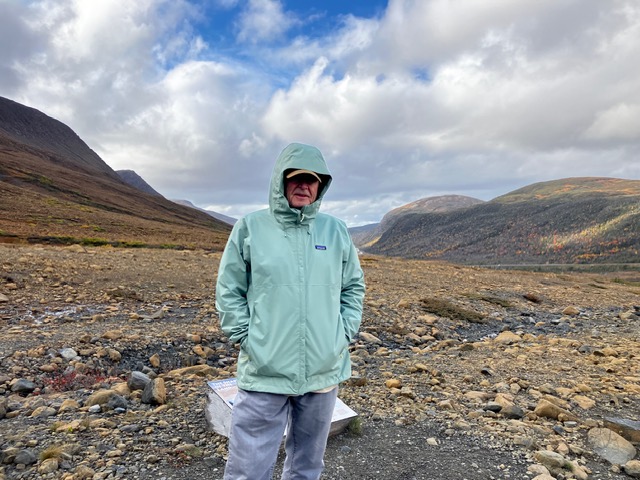
Paul Theroux has been going places for more than half a century, usually with a notebook, a healthy suspicion of the obvious and very little interest in following the itinerary. More than 50 books later, including The Great Railway Bazaar, The Old Patagonian Express and The Kingdom by the Sea, he remains one of travel writing’s great observers: curious, occasionally cantankerous and always looking for the story behind the story.
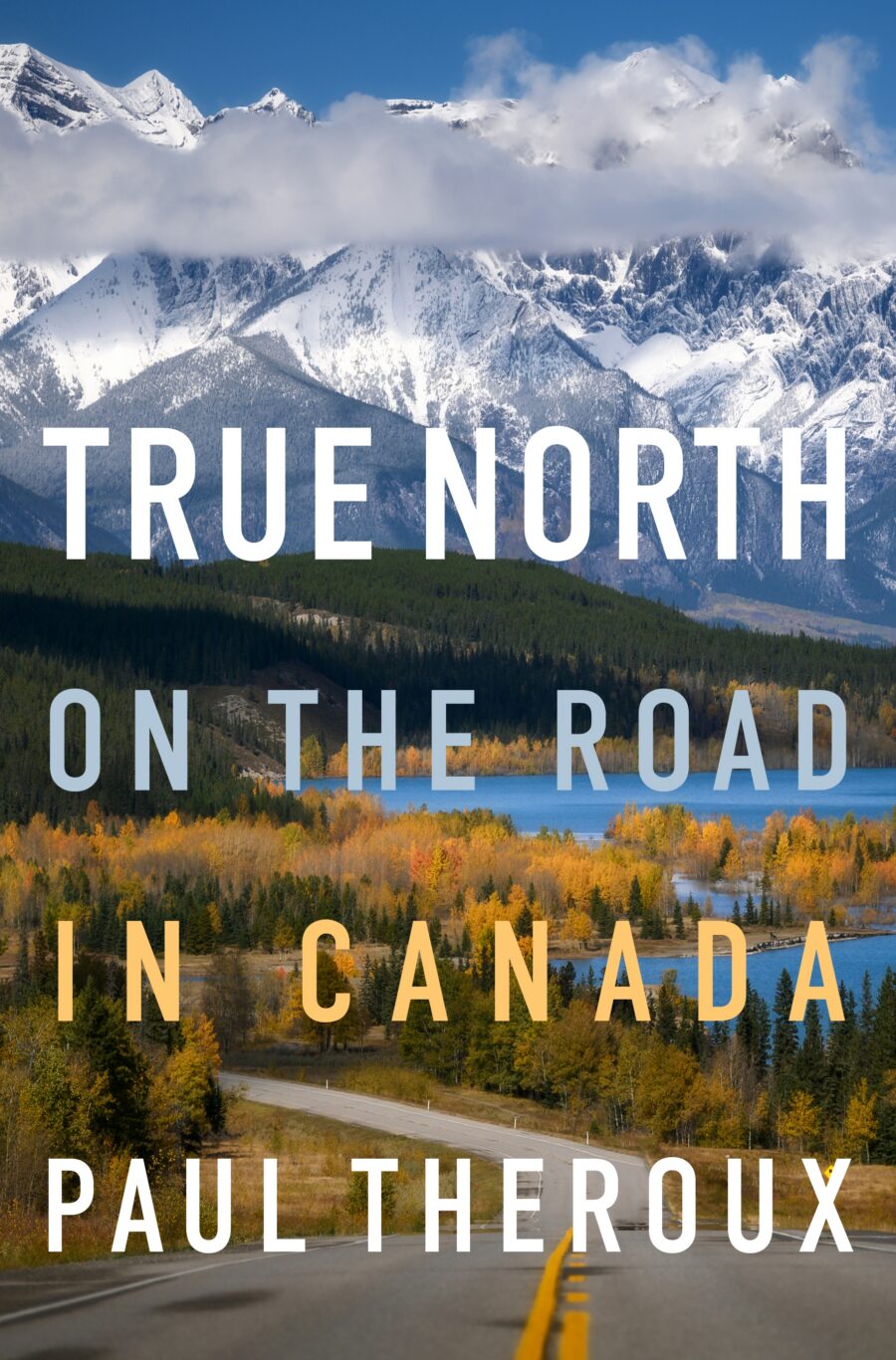 His new book, True North: On the Road in Canada, out September 22, takes him into a country he has been visiting for most of his life. The journey begins in Yamaska, Quebec (where his ancestor Antoine Theroux left Gascony in 1693 and settled in what was then known as Nouvelle France) then heads onto the road in search of the Canada beyond the postcard.
There is family history here, but also the big, unruly Canada of vast distances, tiny towns, stories, complicated identities and people who suddenly have a lot to say when the political weather turns ugly.
And it did turn ugly. Donald Trump, currently in a senseless, self-destructive trade war with Canada, has repeatedly spoken out loud of making Canada the 51st US state. For Theroux, there was an upside to the political turmoil he encountered while reporting: a crisis makes people talk.
I spoke with him about church steeples, hobbits, road trips, old-fashioned ferries, the death of the great unknown, the strange pleasure of having nowhere to sleep and how one of the world’s most celebrated travel books began with a writer who simply couldn’t think of anything else to write about.
What gives Quebec away before you’ve even stopped the car?
The first thing you notice is that there are no tall buildings. The significant feature of every Québécois village or town are church steeples. Like rural France or Spain. You see these steeples and you know you’re in Quebec.
The Prairies are completely different. They look like The Lord of the Rings — you see battlements in the distance.
I sometimes feel like a hobbit because of my general good nature and my little furry feet.
How did Quebec become so fiercely itself?
Quebec had a kind of dark age because of the church, and then it became secular. But having this separate language legitimized difference and separation, and it created a very strong culture.
The Québécois are independent. They’ve produced great writers like Marie-Claire Blais. Montreal and Quebec are inward-looking, and that can be a strength because it preserves the culture, the language, the music and the food.
Canada is not a melting pot. It doesn’t melt. They call it a mosaic.
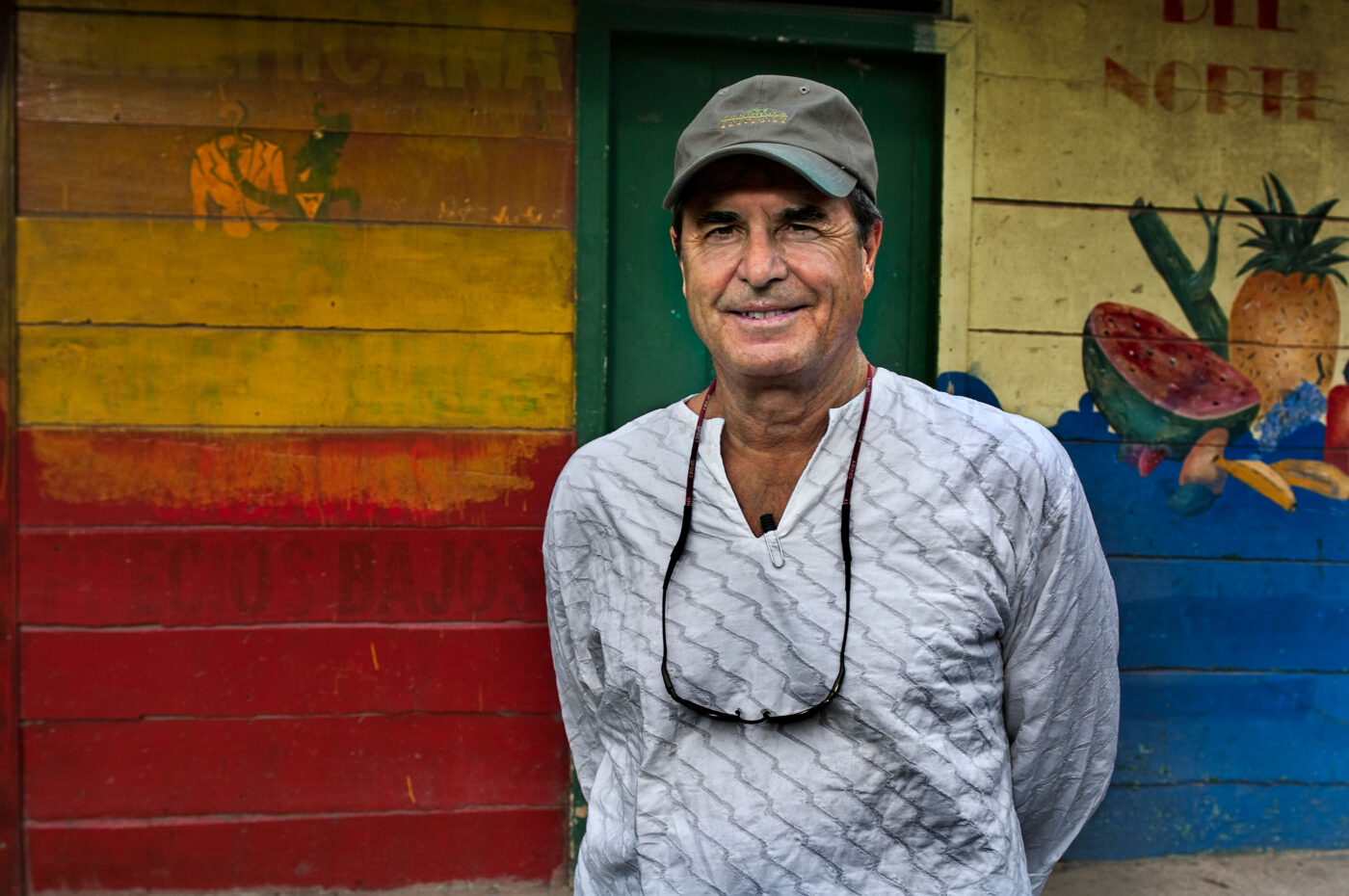
Canada is enormous. Why do you describe it as an archipelago?
Canada is a gigantic country, but it’s like an archipelago. Yamaska, Winnipeg, Vancouver — they’re like islands. The villages and towns are little inhabited islands, and northern Quebec is barely inhabited Siberia.
What interests me is that these places are so different from one another. You can drive across the country and feel as though you’ve entered several different countries.
What’s the Canada you can’t find on Google Maps?
One great advantage of travel is that people tell you stories about the past.
Older people will say, “This is not the country I grew up in.” And I like asking them about what it was like — the accents, farming, ferries, coastal boats, roads, the church. Those are the great stories that people tell, and those are the ones that I wanted to hear.
If you’re interested in a place, you want to know what it was before you arrived.
Why do you secretly love a little chaos when you travel?
The upside of travel is always when there’s a crisis. When there’s a crisis, people are talkative.
Canadians don’t normally bare their souls. I was in Ottawa during the trucker protest, and I found people suddenly very willing to talk about themselves, about Canada, about what they thought was happening to their country.
That’s one of the great things about travel. You go somewhere expecting one thing and then something happens that changes the conversation.
What do you do when you’ve run out of things to write about?
In 1974, after my sixth novel, I had no subject. I thought, “What if I go away? What if I went far away and looked for a subject on the road?”
I got out a map. I remembered a pleasant train trip I’d taken as a child from Boston to Hartford. And I thought, why not travel by train?
I proposed going from London through Europe, Istanbul, Tehran, Afghanistan, Pakistan, India, Burma, potentially Tokyo and then back through Vladivostok and Moscow.
My publisher gave me a $7,500 advance. I wrote every day while I was traveling and came back in January 1975 after three and a half months.
That became The Great Railway Bazaar. It was hugely successful. There were seven printings before publication.
From then on, whenever I was stuck, I would leave the house and find a subject on the road.
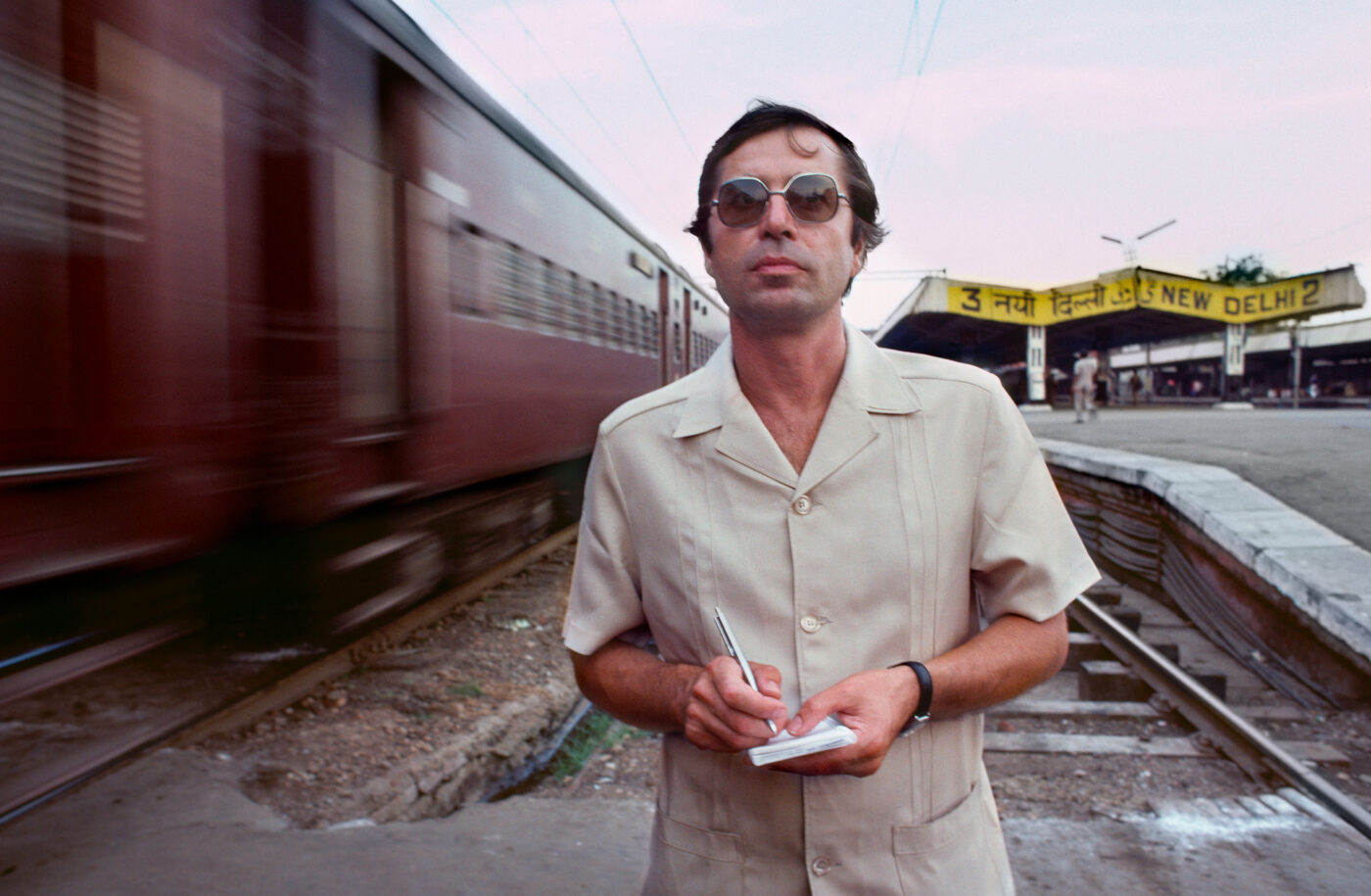
What happened to the great unknown?
When I was traveling in the 1970s, the Vietnam War was going on. India was different. You could travel through the Soviet Union on steam trains. You could go to Siberia. These things were newsworthy and fresh.
Travel books now are seldom news. So the new travel book needs to be written.
That’s the challenge. You’re going somewhere that people may already think they know, and you have to find the story that hasn’t been told.
After starting out on trains, why did you want to drive Canada?
I started traveling by train. But eventually I wanted to drive Canada. I wanted to see the country from the road, to get into places that Canadians themselves don’t necessarily go.
Newfoundland is a perfect example. You can take the ferry from Cape Breton, go overnight and then drive Newfoundland. There are wonderful fish, lobster and vegetables, all these different accents and the Viking history at L’Anse aux Meadows.
And then there’s Vancouver, which I think of as a city of the future. It’s incredibly multicultural, with these different ethnic bubbles, and the food is extraordinary. Then you have the Rockies behind it.
Driving into Vancouver after coming through the mountains and across the Prairies is a very dramatic arrival.
How much uncertainty should a traveler actually want?
Imagine the freedom of arriving, of being in a country where you never have to make an onward reservation.
I’ve crossed the United States eight times without bookings. Usually you just find a motel. Once in Texas I couldn’t find a room because there was something happening in an oil town, but eventually I found one.
It’s the freedom of showing up. You don’t know what’s going to happen.
Travel is always a leap in the dark. Don’t think, “Am I gonna be safe?” Assume you’ll be all right. And when it’s not, then you have something to write about.
After all those miles, what makes you want to come back?
There are a few places where I leave wanting to return — Mexico, Italy, Canada, the Deep South.
You leave with this sense of welcome, of curiosity and interest, and you think, “I wanna come back here.”
I want to see friends, eat the food, travel deeper, expand my mind and experience. I want to fatten my soul with a new experience.
Any traveler who finds a country where they want to return and where they feel safe should hold it to their heart. It will change your life.
Daniel had another conversation with Paul, on his excellent podcast Wayfinder: Life-Changing Travel, which you can listen to here: https://www.iheart.com/


