


ITALY ISN’T OVERRATED, YOU’RE JUST DOING IT WRONG
The future of Italian travel is not about seeing more — but experiencing deeper
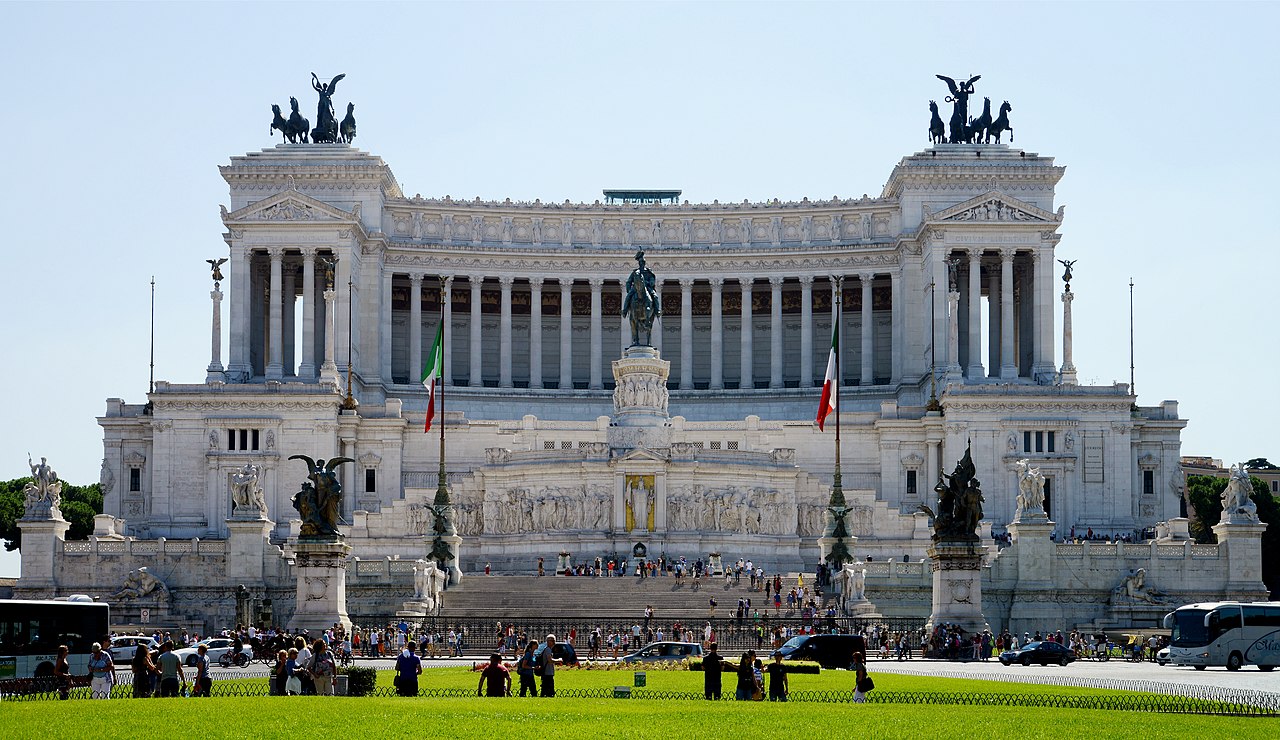
There is a growing narrative surrounding Italy’s most iconic destinations, that cities like Rome, Florence, and Venice have become victims of their own success. “Overcrowded.” “Overhyped.” “Too touristy” are words repeated endlessly across social media, travel forums, and trend forecasts, often by travelers searching for a version of Italy that feels more exclusive, more hidden, more authentic.
But perhaps the problem was never Italy.Perhaps it is in the way we travel through it.
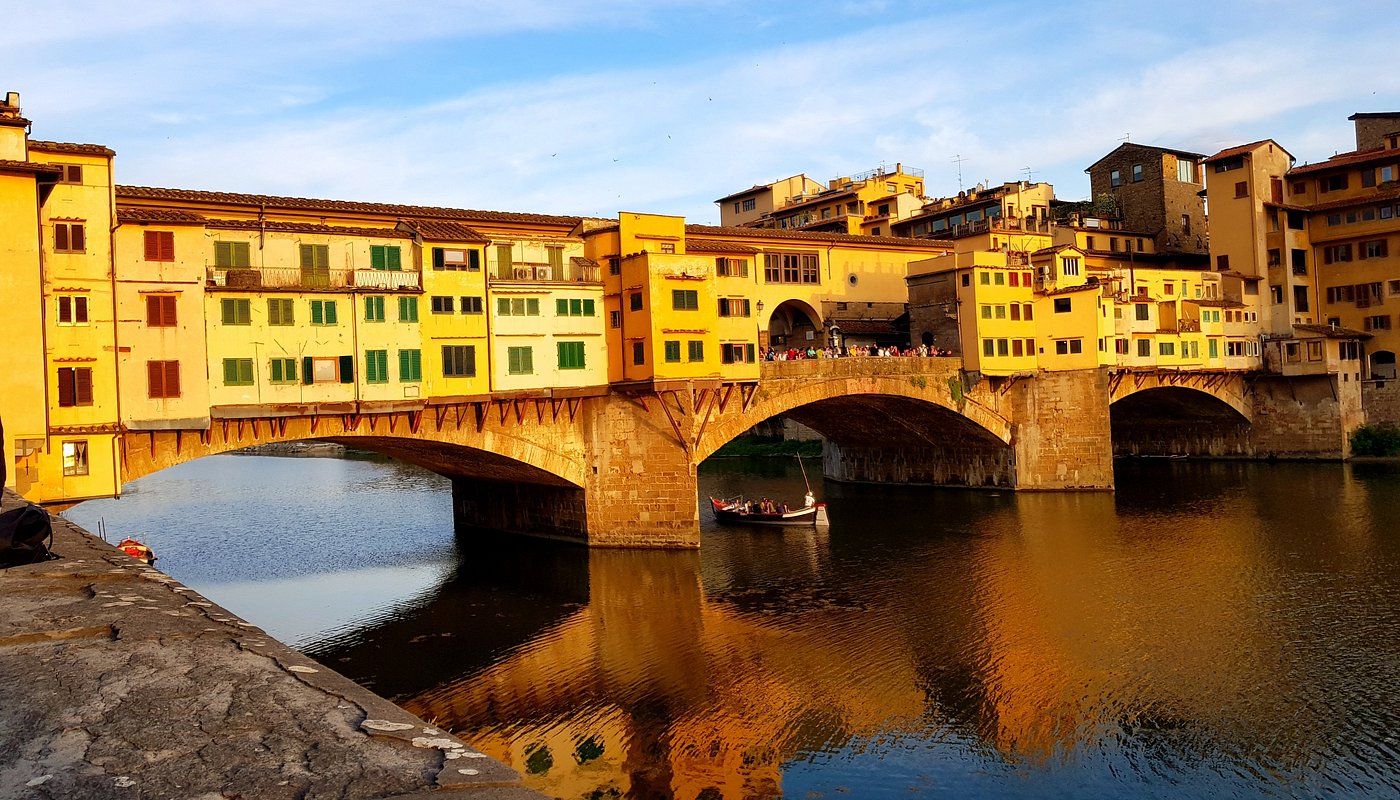
Social media has accelerated the phenomenon, concentrating millions of visitors around the same monuments, piazzas, and postcard-perfect corners. The result is checklist tourism — where travelers rush from landmark to landmark in pursuit of “must-sees,” often leaving without ever truly experiencing the country.
Italy remains irresistible for a reason. Yes, “must see” sites remain must see, but we want people to experience how they were meant to be seen.
No matter how photographed or discussed, places like Rome, Florence, and Venice still hold something extraordinary: a concentration of history, artistry, architecture, craftsmanship, and humanity that very few destinations on earth rival. For many, visiting these cities is still a once-in-a-lifetime dream.
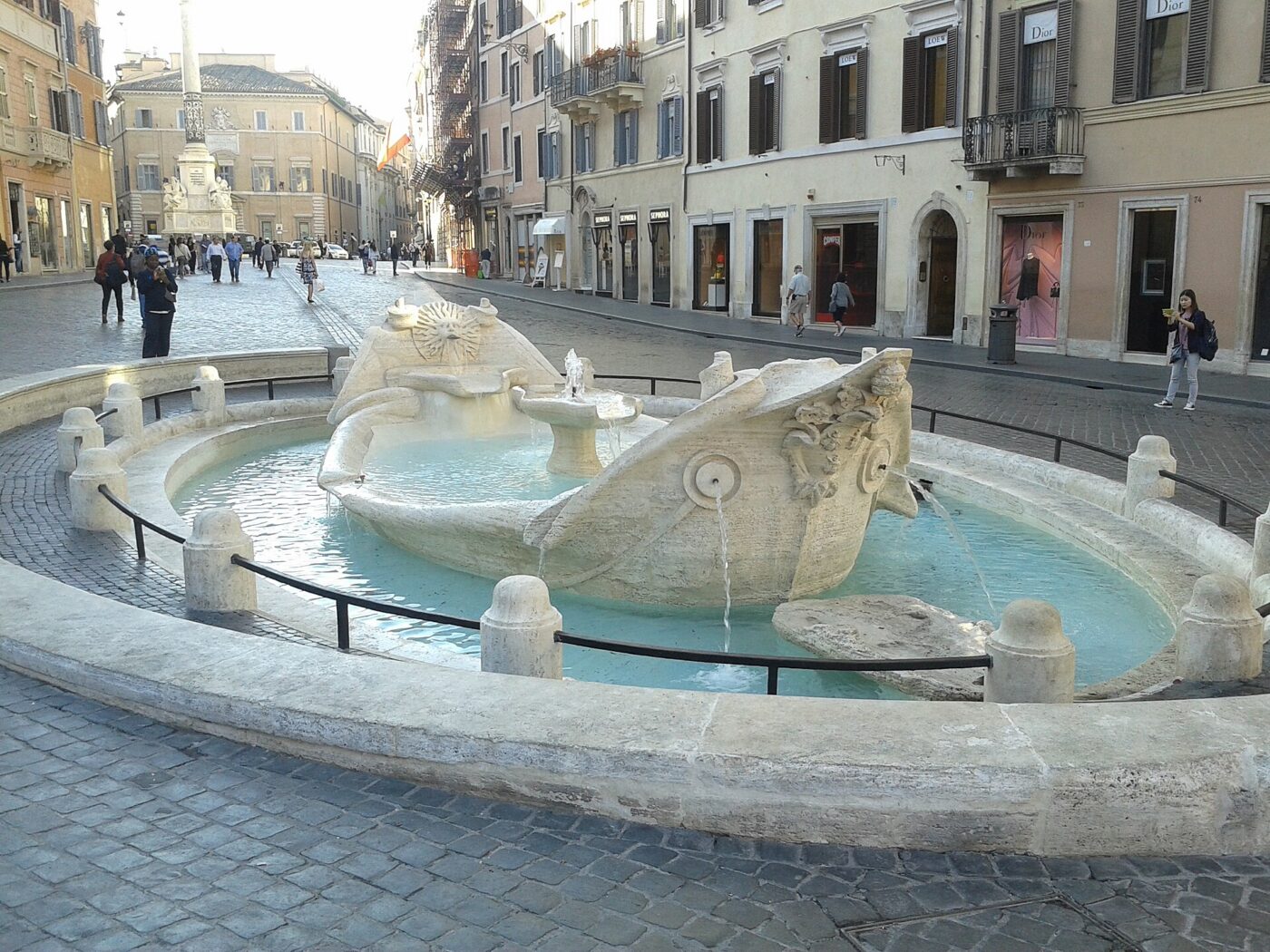
Italy Was Never Meant to Be Rushed
The real Italy lives in the moments travelers often fail to schedule: a long lunch stretching into the afternoon, conversation with a local shopkeeper, aperitivo hour, or the quiet rhythm of an evening passeggiata after dinner through a neighborhood.
Too often, first-time visitors approach Italy like a race against time. Rome in two days. Florence in one. Venice before sunset. Amalfi by the weekend.The irony is that the more travelers attempt to see, the less they actually experience.
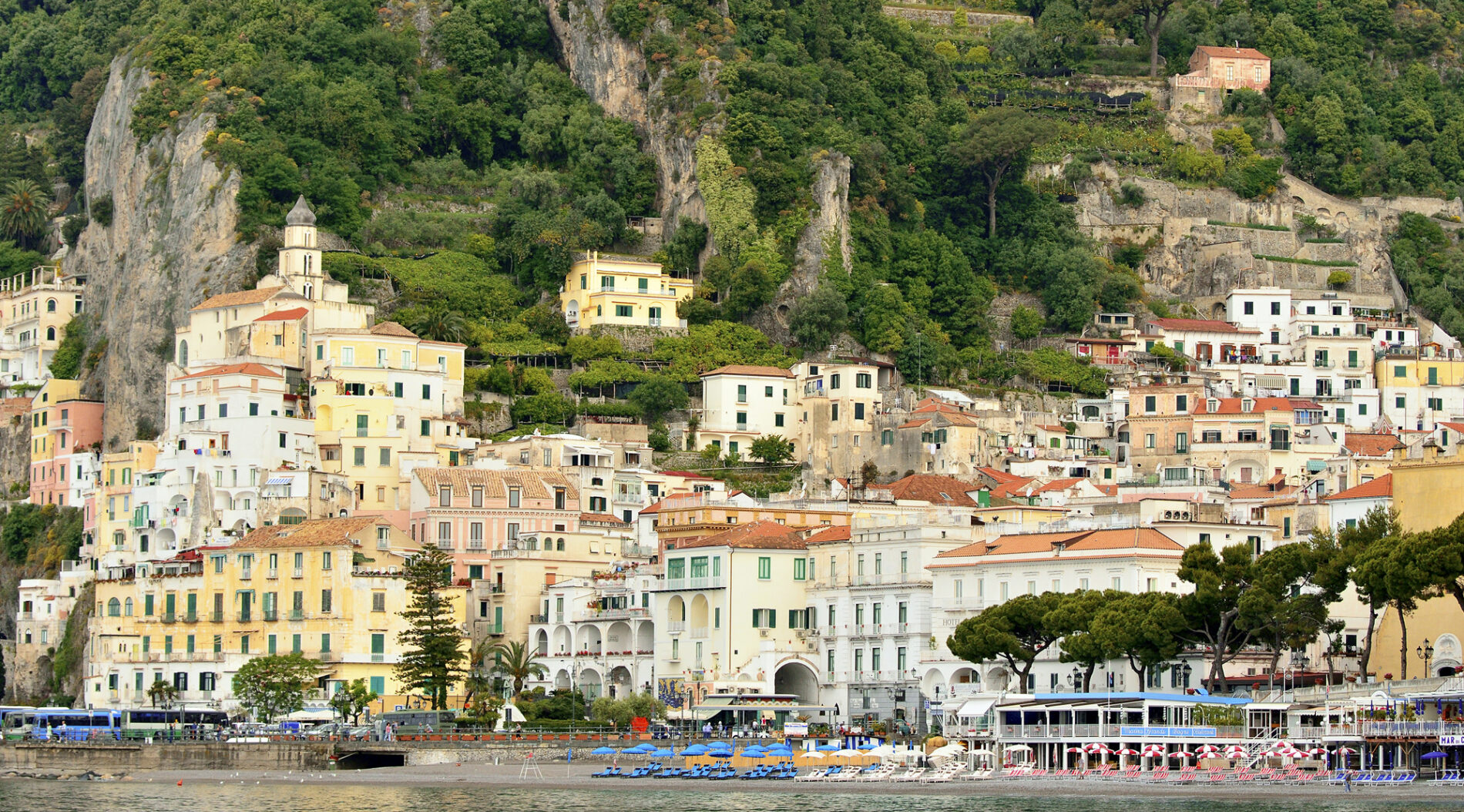
Italy rewards slowing down. It asks visitors to participate in its way of life. To sit longer. Taste carefully. Wander aimlessly. Listen more closely.
Italian culture doesn’t exist solely inside museums or monuments. It exists in family recipes, in neighborhood cafés, in artisans still shaping products by hand, in local markets, and in the people who follow these simple traditions every day.
The Italy Locals Actually Live
The most memorable moments in Italy rarely happen standing in line beneath a famous monument.They happen while making fresh tortellini in Bologna alongside locals who learned from their grandmothers. They happen inside a gelato laboratory in Rome, where travelers discover that artisanal gelato is not simply dessert, but part science, part heritage, part obsession. We focus on moments like this.
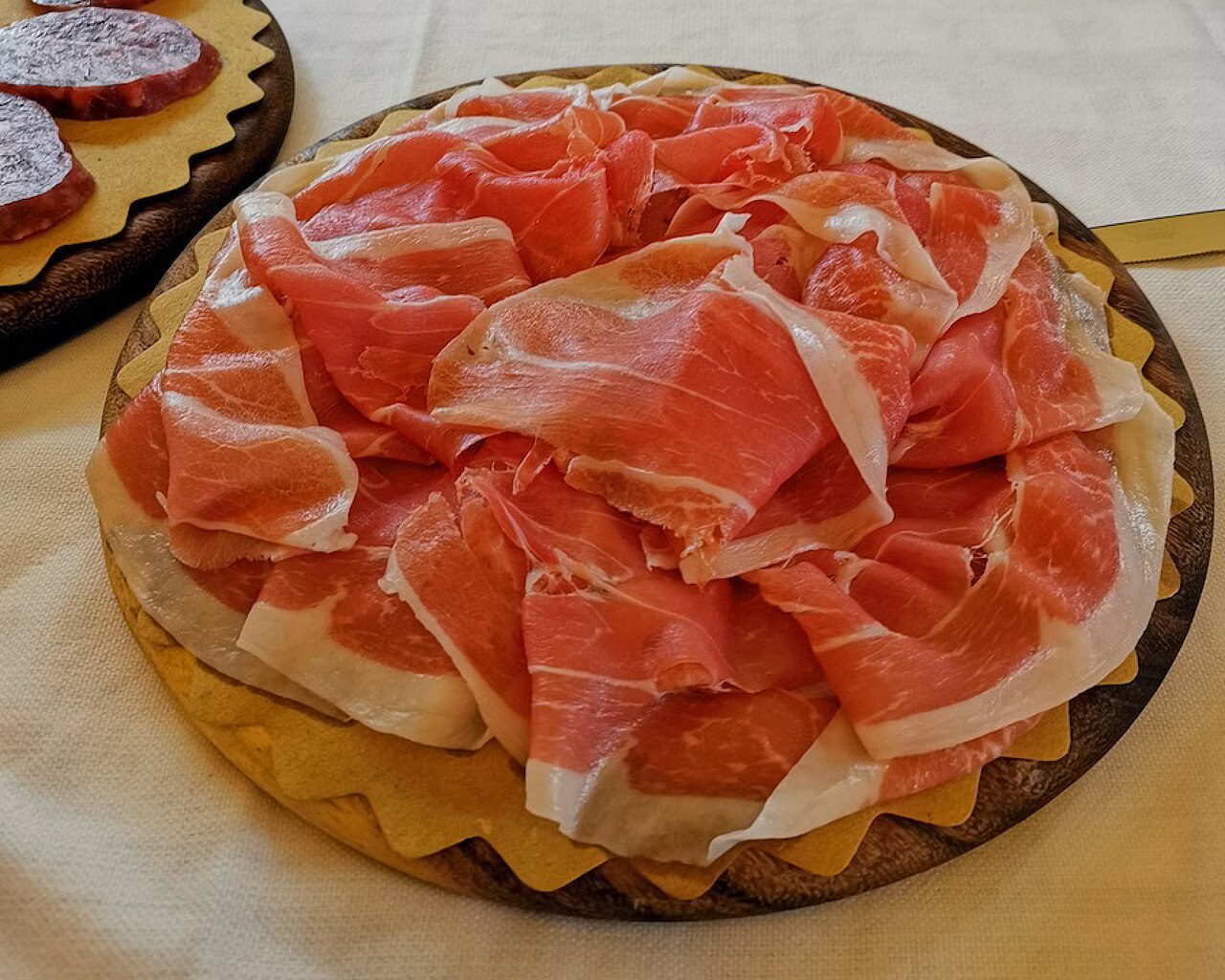
In Parma, our guests are invited into farm-to-table experiences centered around the production of Parmigiano Reggiano and Prosciutto di Parma, witnessing firsthand the extraordinary patience and craftsmanship, and quality, behind the products.
Elsewhere, travelers may find themselves visiting traditional stone mills, tasting chocolate in Perugia, or sitting for an aperitivo in places locals frequent — places woven naturally into everyday Italian life.
This is the difference between consuming a country and connecting with it.
Luxury is no longer defined solely by five-star hotels or private transfers. True luxury is intimacy, access, slowness, and authenticity — in experiences you can’t mass produce.
Reimagining Italy’s Iconic Cities
Venice, Florence, and Rome are destinations to experience differently.
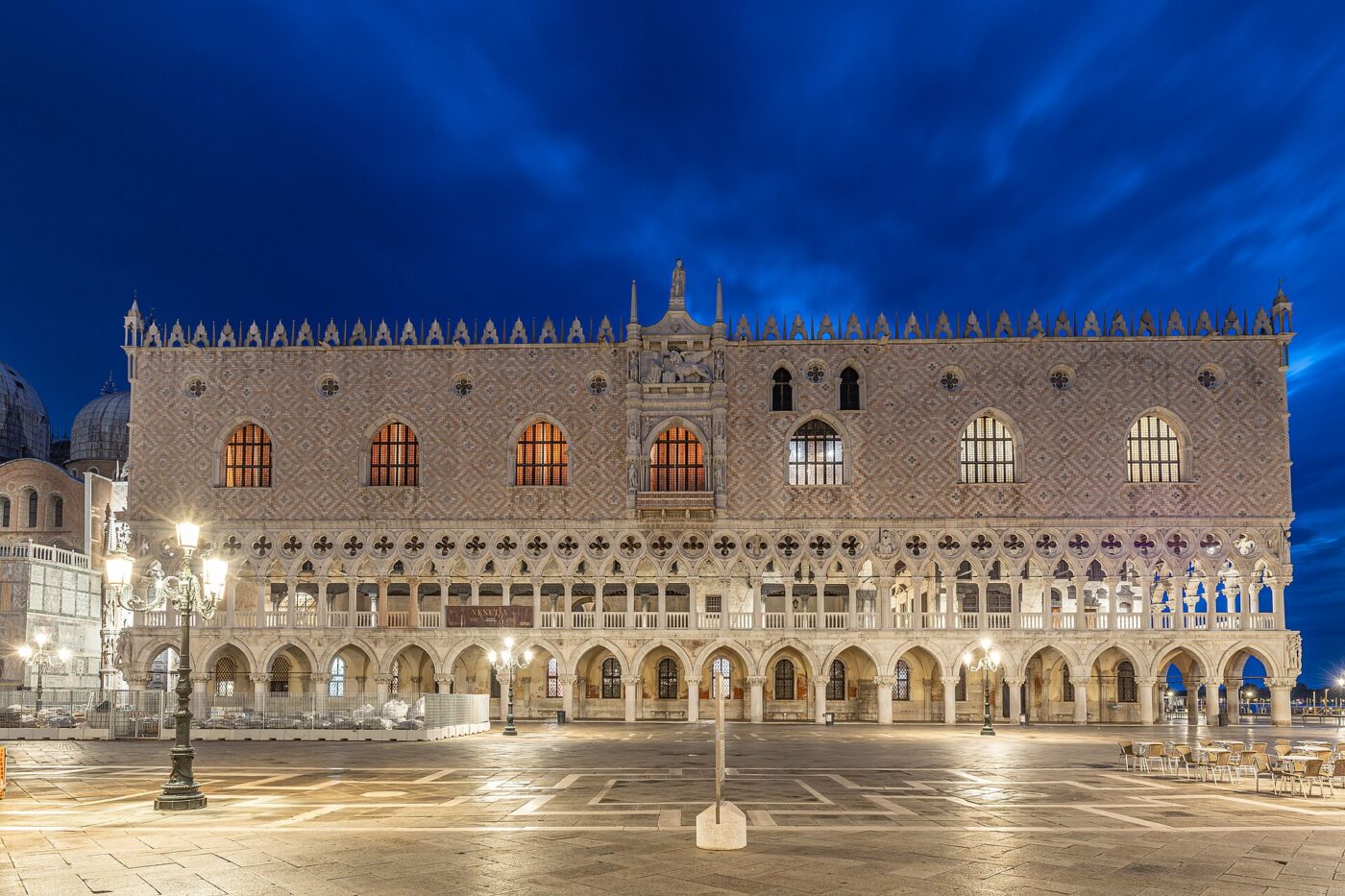
To wake early in Venice before the crowds arrive and watch the city emerge slowly from the morning fog. To step beyond Florence’s Renaissance landmarks into artisan workshops and quieter neighborhoods where daily life unfolds at a human pace. To see Rome not just as an archaeological wonder, but as a living city where espresso bars, markets, and local trattoria are central to its identity.
The future of luxury travel may depend less on where people go, and more on how they choose to experience where they go. Travelers who experience Italy most meaningfully are those willing to embrace curiosity over efficiency, who understand that the cities are not open-air museums, but living communities with rhythms, traditions, and identities.
Sometimes, the smallest gestures create the deepest connection: greeting a shop owner in Italian (go ahead! Try! It’s easier than you fear), lingering over dinner instead of rushing toward another reservation, allowing space in an itinerary for spontaneity rather than optimization.
In a culture increasingly obsessed with productivity — even while traveling — slowing down can feel almost radical.
And yet Italy has always understood something many travelers are only beginning to rediscover: Beauty is meant to be savored.
Alessia Angelini, Elena Martinolli & Susanna Viola, are founders of Wanderlust: a project by Fast Track Italian Citizenship.


