


RESTAURANT
At MITA, in the nation’s capital, Tatiana Mora is the first female Venezuelan chef to earn a Michelin star
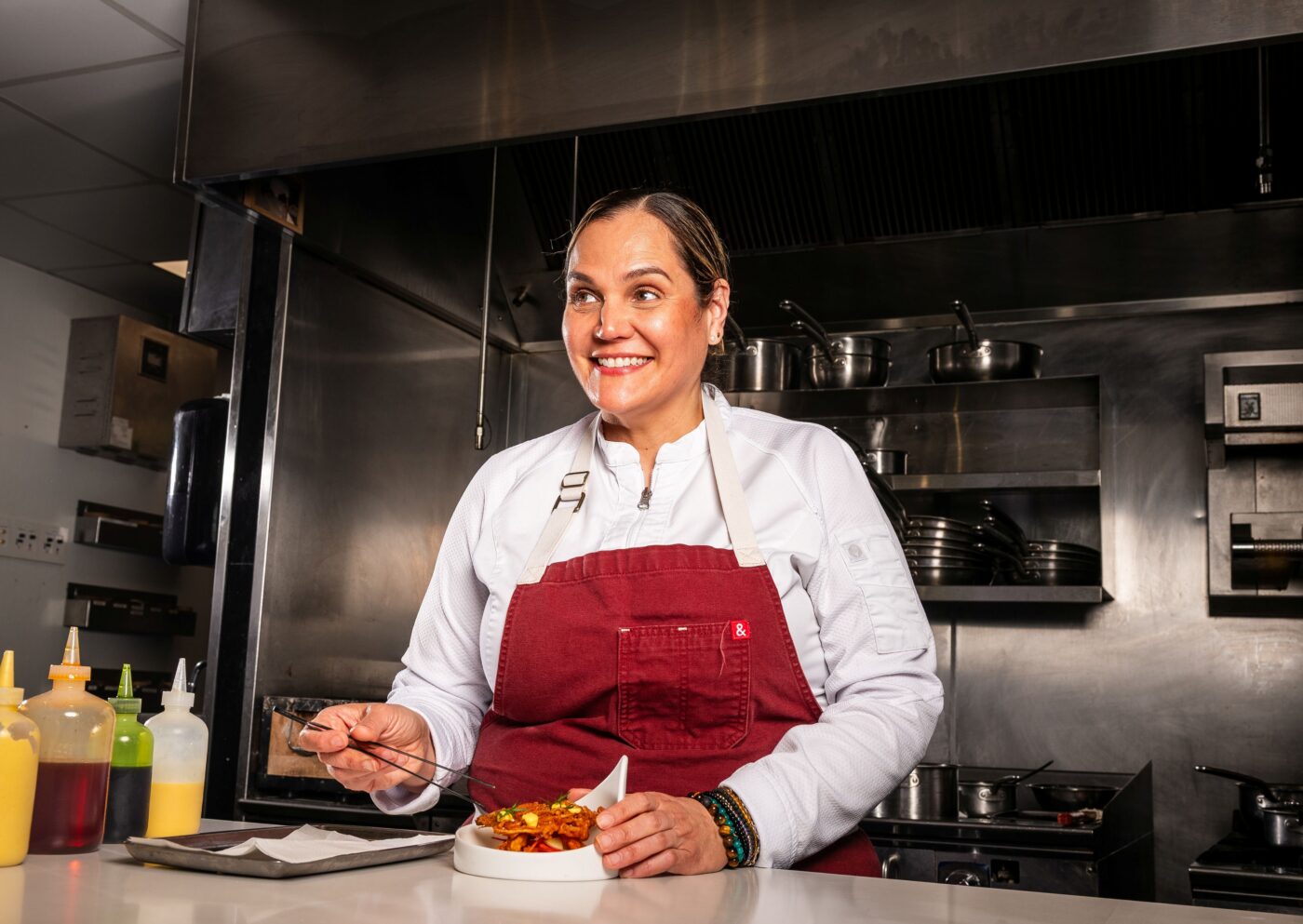
With more than 20 years professional experience cooking internationally, Tatiana Mora is head of the kitchen and owner of Michelin-starred MITA in Washington, D.C. — the name comes from the Andean concept of “mita,” of collective contribution and community. “For me, it’s about creating a space where people come together through food with intention and connection — to the earth, to each other, and to the experience of sitting at the table,” Tatiana explains poetically.
The restaurant, also a James Beard Award finalist, earned its star in its first year, in 2024, and repeated the accolade in 2025, sealing its most excellent status and becoming one of the town’s toughest (but most worthwhile) reservations.
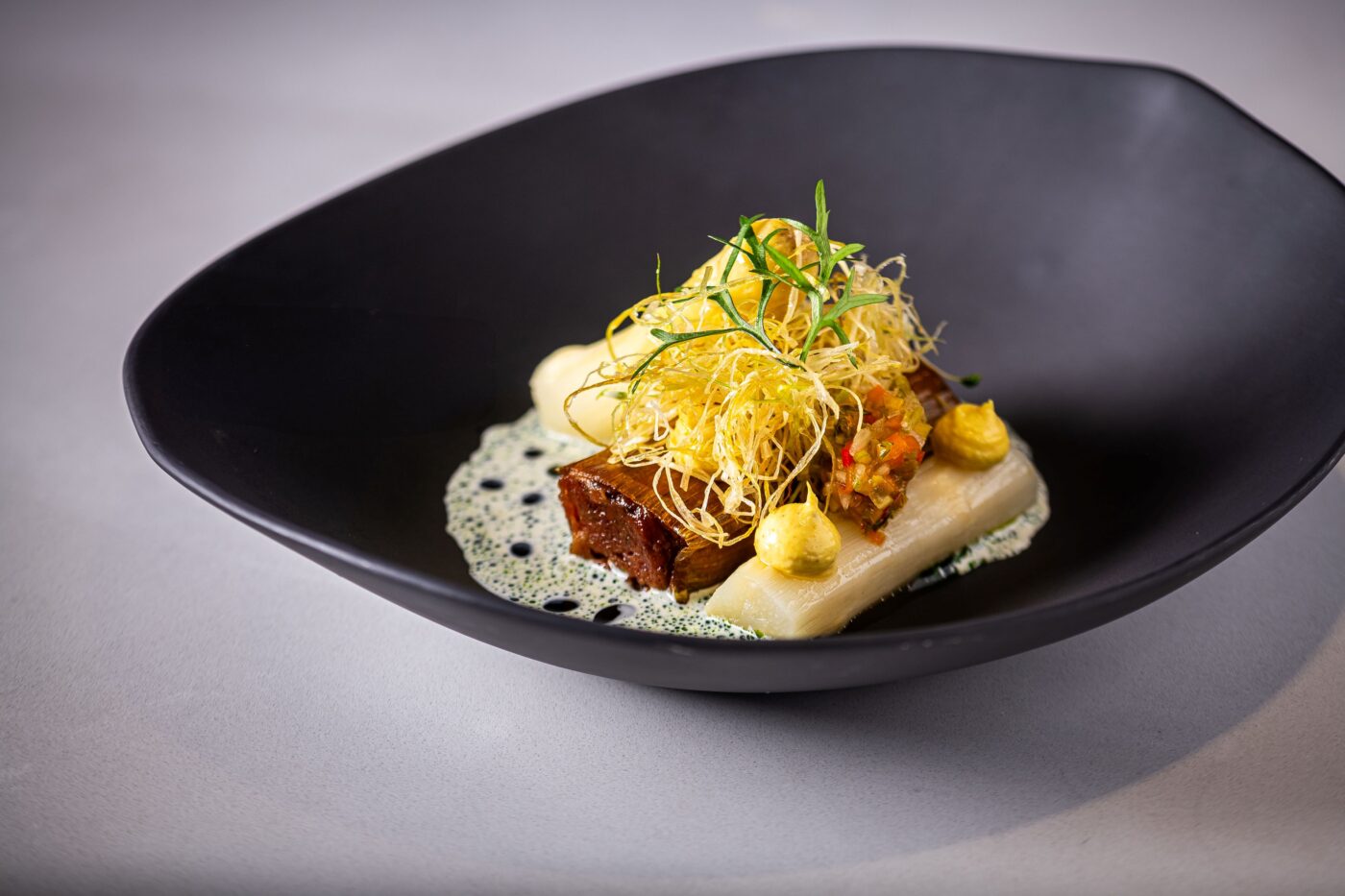
Along with her business partner Miguel Guerra, Tatiana is redefining traditional Latin American cuisine with a vegan menu. As a wellness coach, she designed a holistic approach to creating dishes that feed the body and the soul, with local and sustainable sourcing of each ingredient in the kitchen.
“I thought we could offer something different, with an intention and purpose,” she says. “In Latin America, we have a lot of dishes that come with ancestral tradition, because I think that indigenous part is so important to Latin America. And in this country, I feel like eating is something you do so that you’re not hungry. It’s not an experience and it’s not really feeding anything except your stomach.”
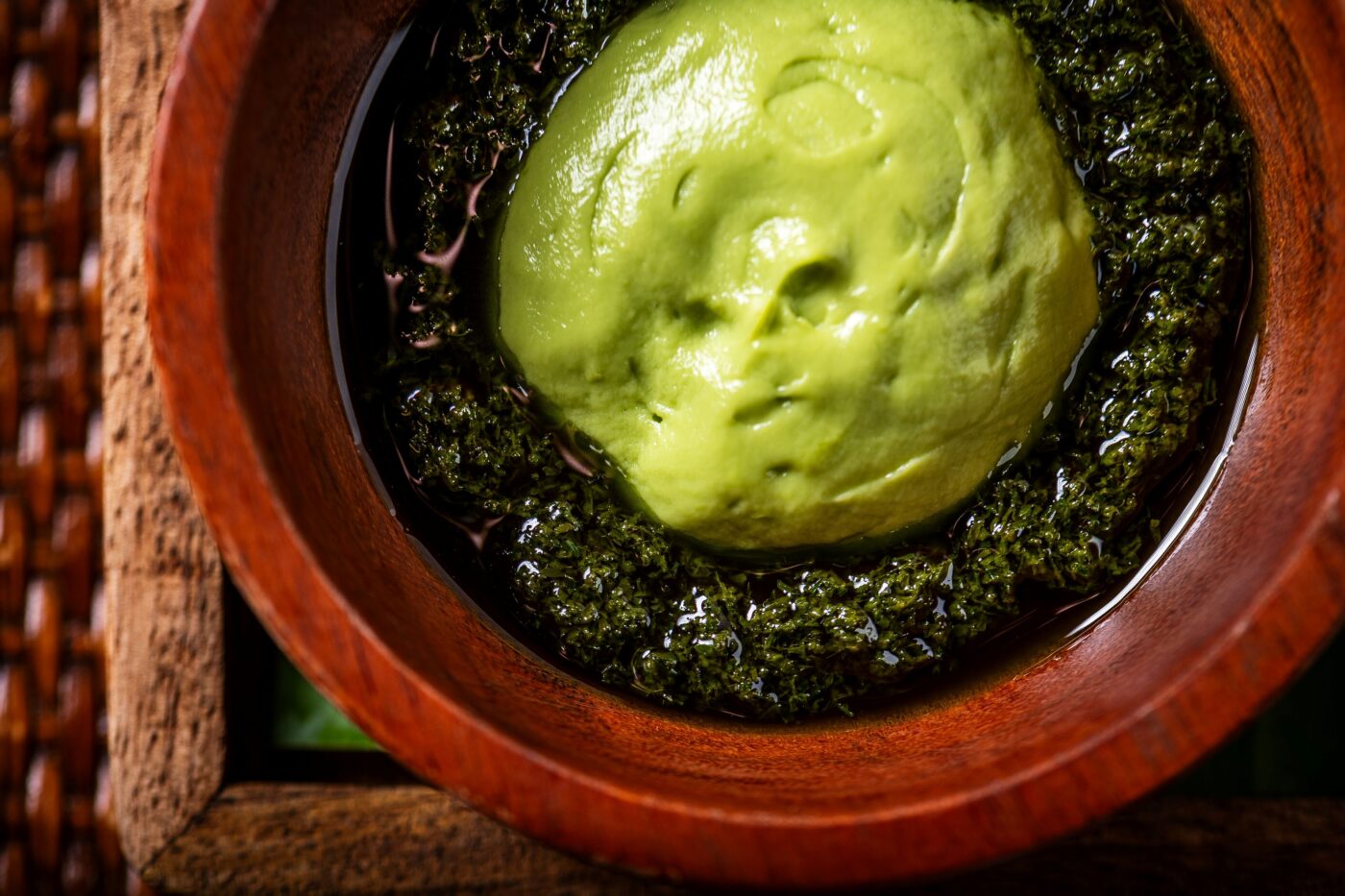
As a vegan, Tatiana could not eat many Latin American dishes because meat so often serves as the principal ingredient. By spotlighting vegetables, MITA values traditional recipes while creating a more inclusive environment for non-meat-eaters.
Born and raised in Venezuela, she took over cooking for her family at 10 years old following her mother passing away. By the time she was 18, she knew her future was in the kitchen. She developed her skills in restaurants across Spain, Barbados, Mexico, and Venezuela. At MITA, she combined the consistent discipline of Spanish kitchens with Mexico’s core values of ancestral recipes and the environment.
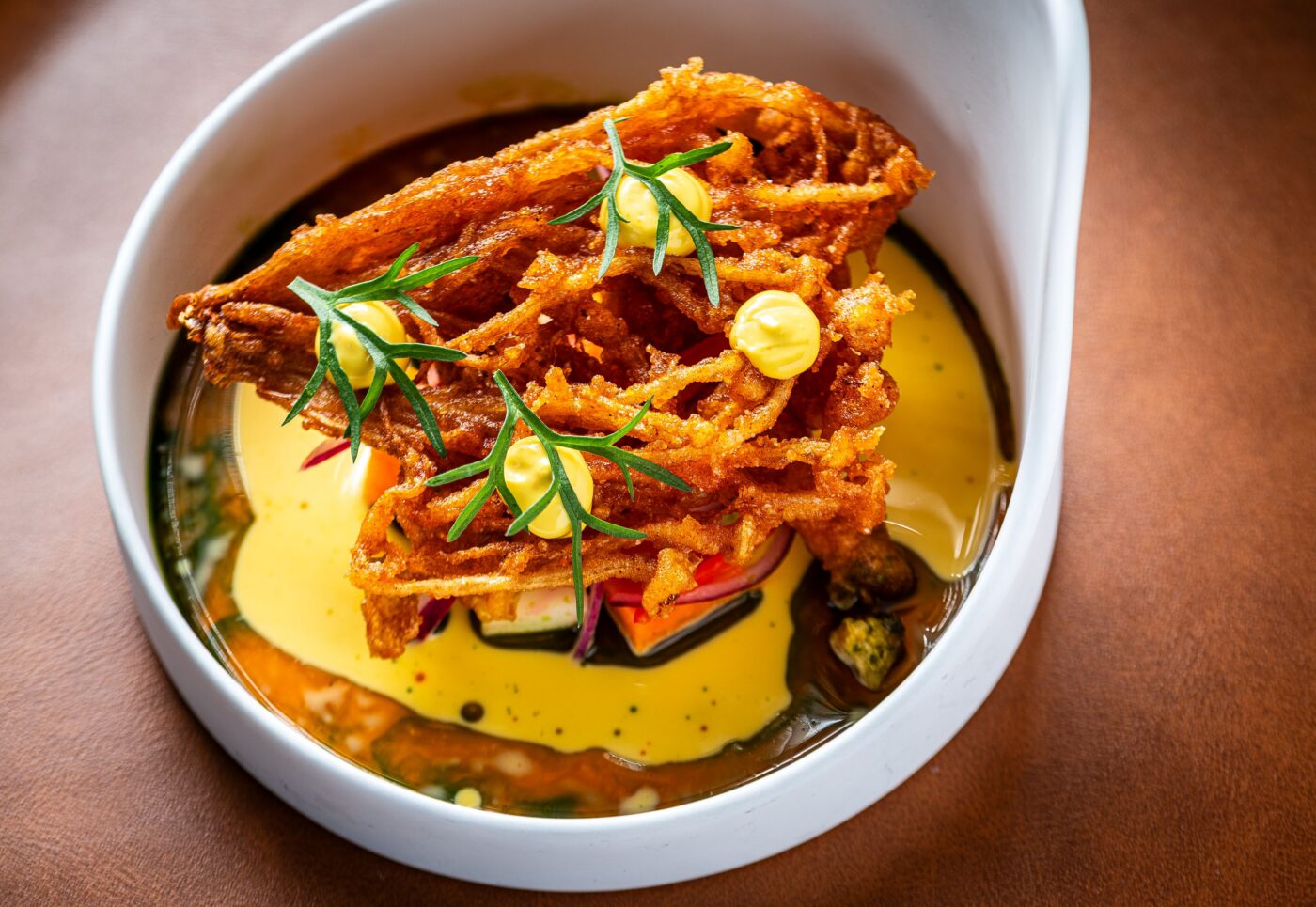
She tells me she believes a restaurant’s foundation is the wellbeing of the people in the kitchen. With so much time spent in the often stressful workplace, chefs can easily grow overwhelmed and forget their passions, which translates to the food being prepared.
“If you are good, you can be good for other people,” Chef Tatiana says. “It’s not just the food that is important for a restaurant, or the technique. It’s the environment.”
MITA’s community and location are essential to the restaurant’s identity. Washington, D.C. is a multicultural city, filled with people interested in each other’s cultures, Tatiana says, which is how MITA’s unique identity led to its success. Guests are interested in not only the food, but also the dishes’ origins in honor of family members and the planet, with the influence of indigenous values. And MITA engages with the community through local events like Culture Sundays and Wellness Days.
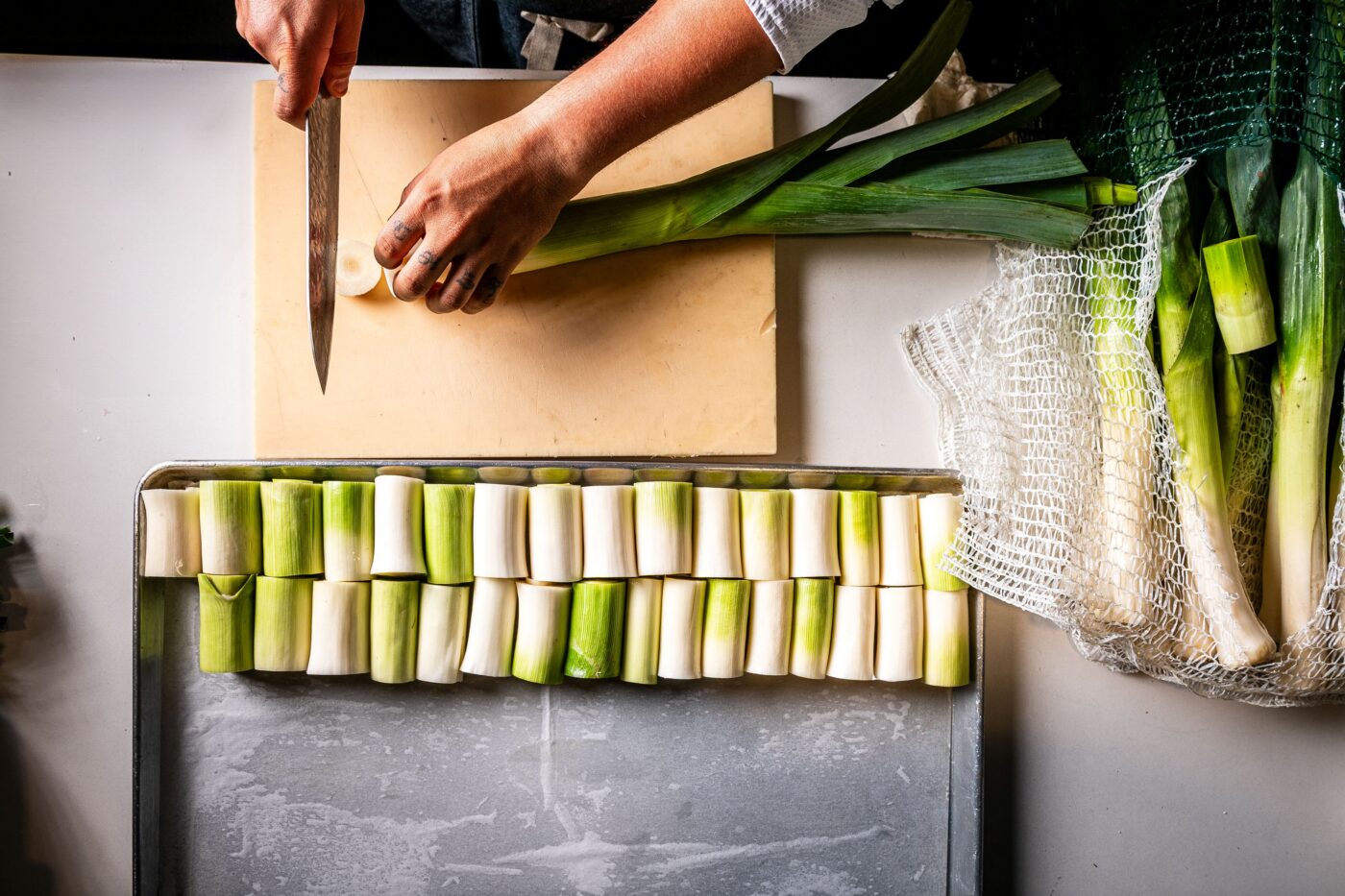
It can’t be easy getting the exact ingredients her dishes call for? “I don’t try to copy recipes exactly,” she says. “If I can’t find a specific ingredient, I look for something local that provides a similar texture or feeling. I use techniques like roasting or fermenting to adapt without losing the essence of the dish.”
She prepares some extraordinary dishes. One called Eloisa is named after her grandmother. “It’s a fava bean and plantain soup. It’s very personal — simple, nourishing, and rooted in memory. It’s my way of keeping her close and sharing a part of where I come from.”
Pachamama is a dish inspired by the fertility Goddess worshiped by the indigenous people of the Andes. “It changes depending on the season, but it’s always centered around vegetables and what’s available at the moment to honor the earth.”
“We have a vegetable-driven menu that changes often,” she continues. “I work with Latin American ingredients through fermentations, infusions, and building flavor in different ways. It’s more about the overall experience than one specific dish.”
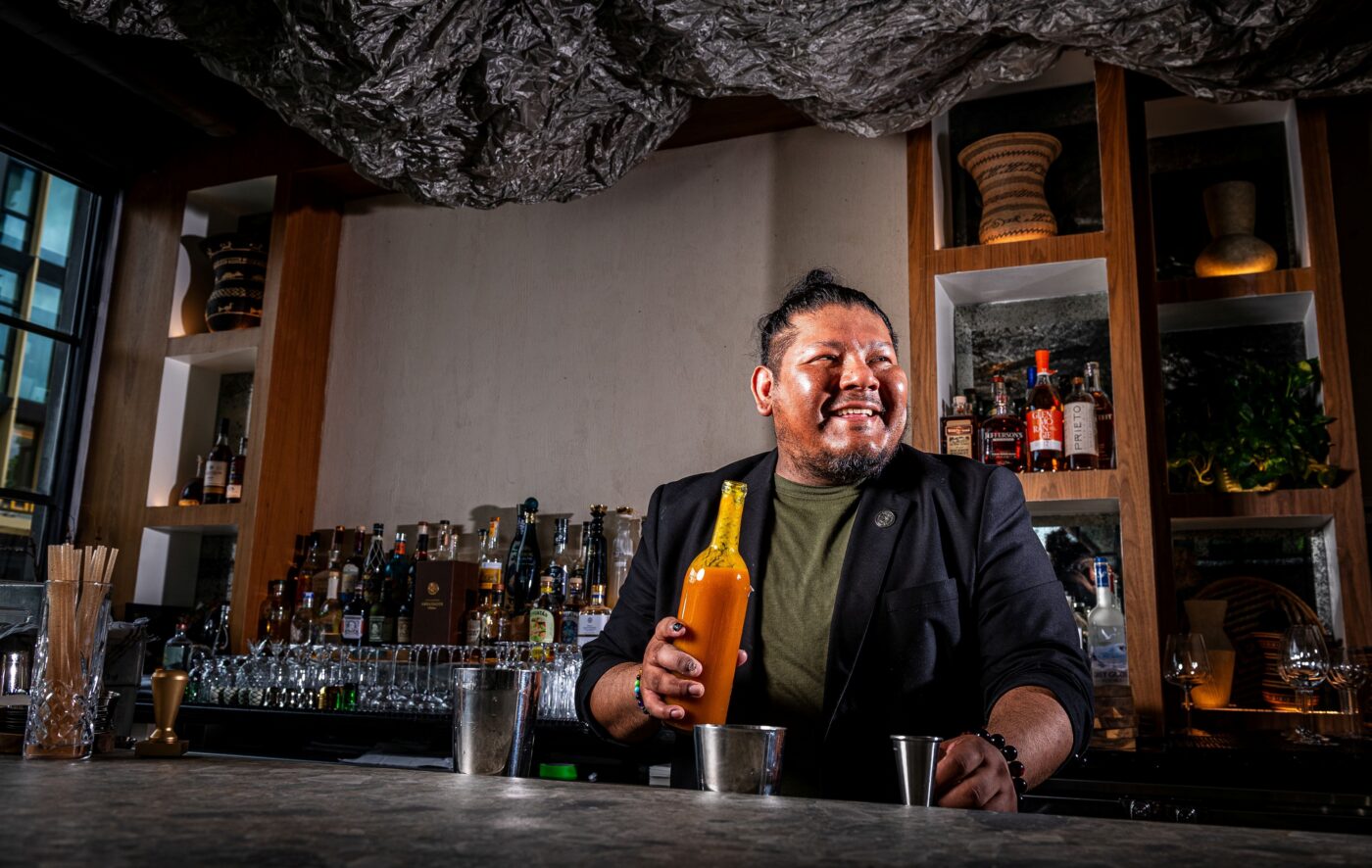
The bar also strives to use seasonal ingredients, herbs, and house-made infusions, for both cocktails and “thoughtful” non-alcoholic options “that are balanced and intentional.”
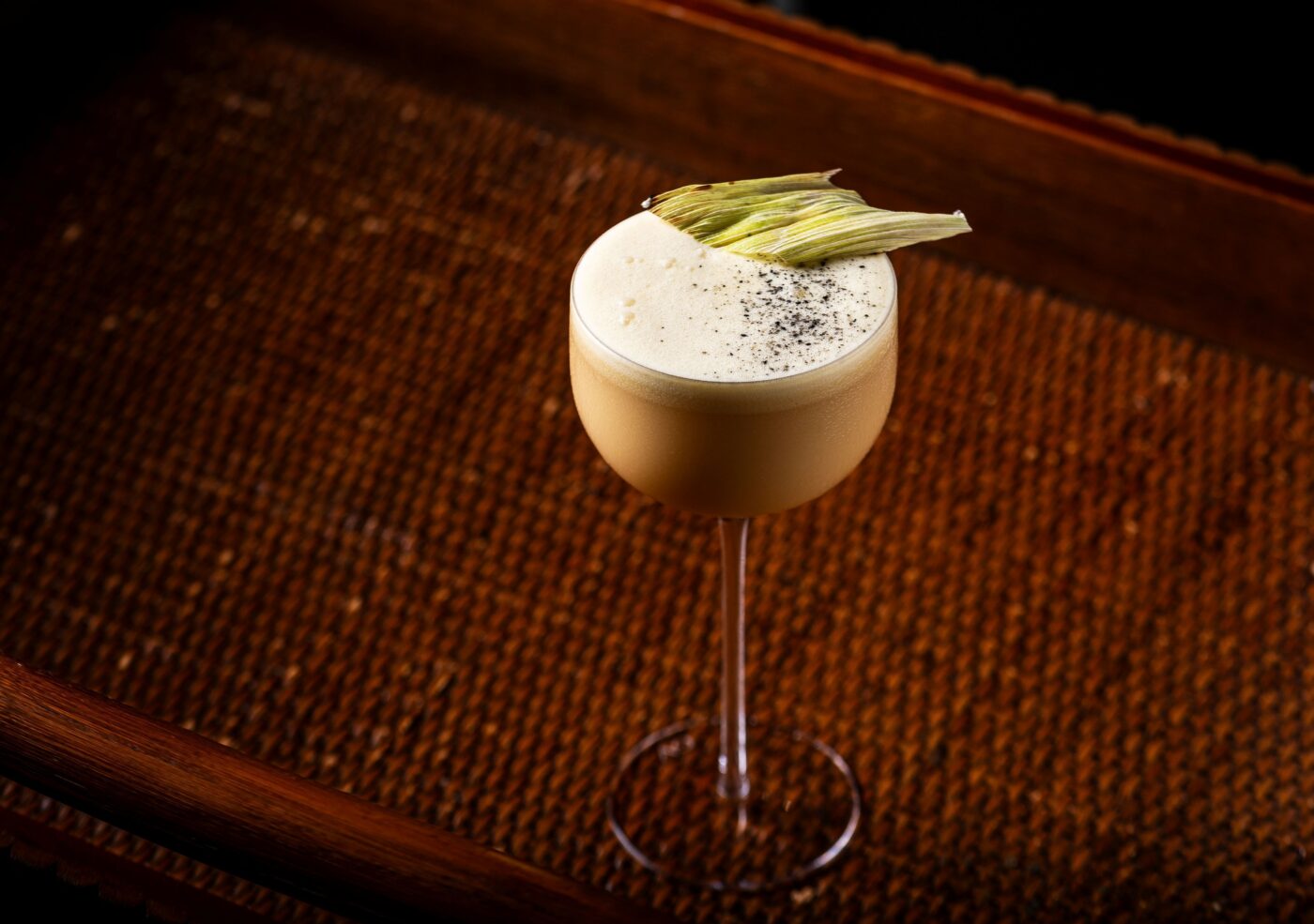
When asked which cities in the world have the best food, Tatiana replies that New York and Buenos Aires stand out for her. “New York has so many different restaurants that are always good,” she said. “And when you travel to Argentina, you think you’re going to eat only meat, but they have such good vegetable dishes.”


